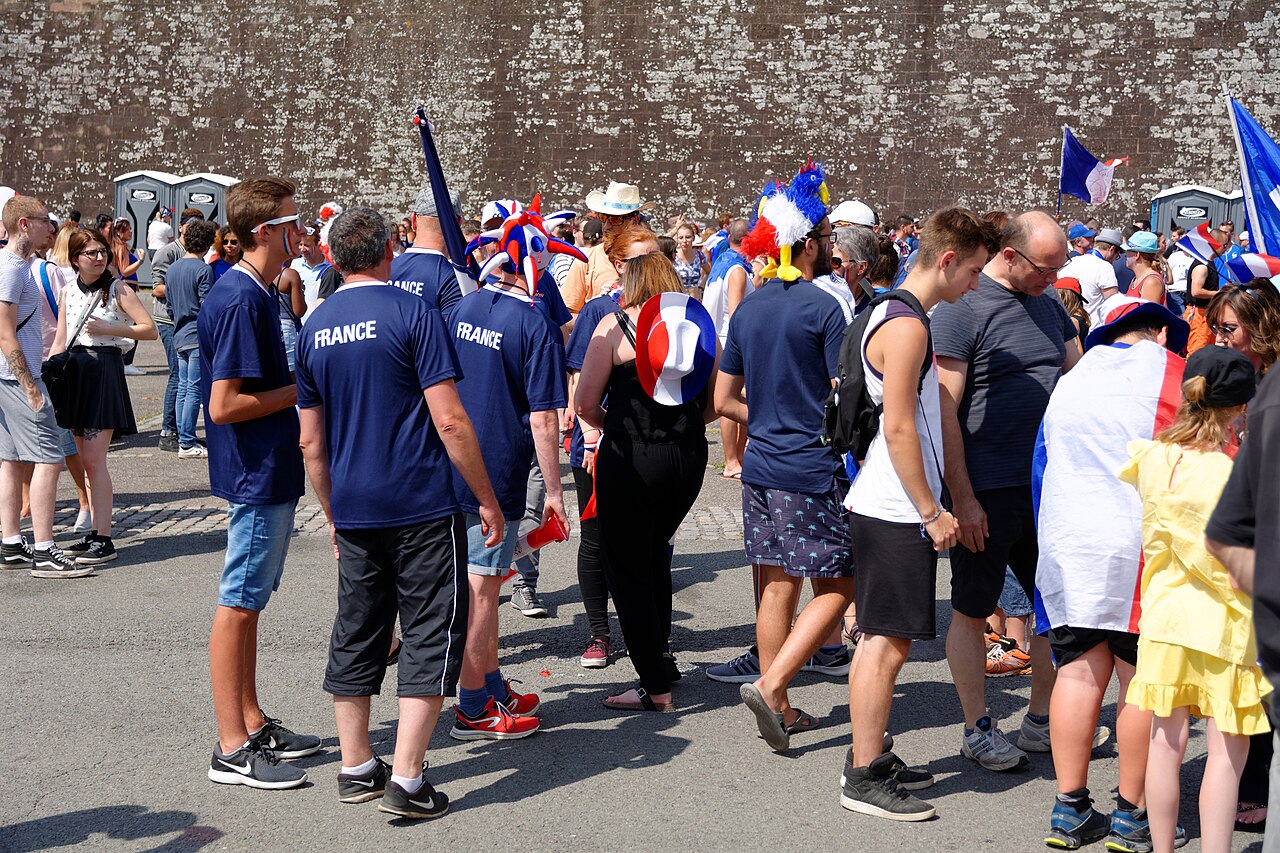
The worldwide enthusiasm for football is prompting racing stakeholders to rethink how they manage their fixture calendars and betting markets.
The FIFA World Cup is generating unprecedented global interest, capturing the attention of the public and the media alike. In this context, horse racing must compete with a news agenda dominated by the beautiful game. While both sports share a common passion for competition, their respective calendars can occasionally clash, forcing organisers to show flexibility.
Race meetings scheduled during major matches often see a drop in attendance at racecourses. Punters naturally turn to high-stakes football fixtures, temporarily setting the horses aside. Yet this media competition is nothing new: every major international sporting event temporarily reshapes consumer habits.
That said, racing professionals point out that their discipline has its own major fixtures, equally popular among aficionados. The Quinté+, for example, retains its loyal following of devoted punters, who know how to balance their attachment to the turf with other sporting spectacles. Betting operators are adapting their offers by introducing combined markets that blend football and horse racing, in order to keep players engaged.
From an editorial standpoint, specialist media must redouble their ingenuity to showcase racing news. They highlight prestige races, the preparation of champions and behind-the-scenes anecdotes, while acknowledging that the World Cup captures the bulk of mainstream attention. This coexistence illustrates the richness of the sporting landscape and the diversity of popular passions.
Ultimately, football and horse racing are not in opposition; they complement one another within a crowded sporting calendar. Those in the racing world have understood this and are adapting, convinced that the beauty of the horses and the thrill of the track will always find their audience, even when the shadow of a World Cup stretches across the sporting world.
Advertisement
Source: Alsace