The History of Moroccan Astronomy: Marinid Observatories and the Stars of Fez
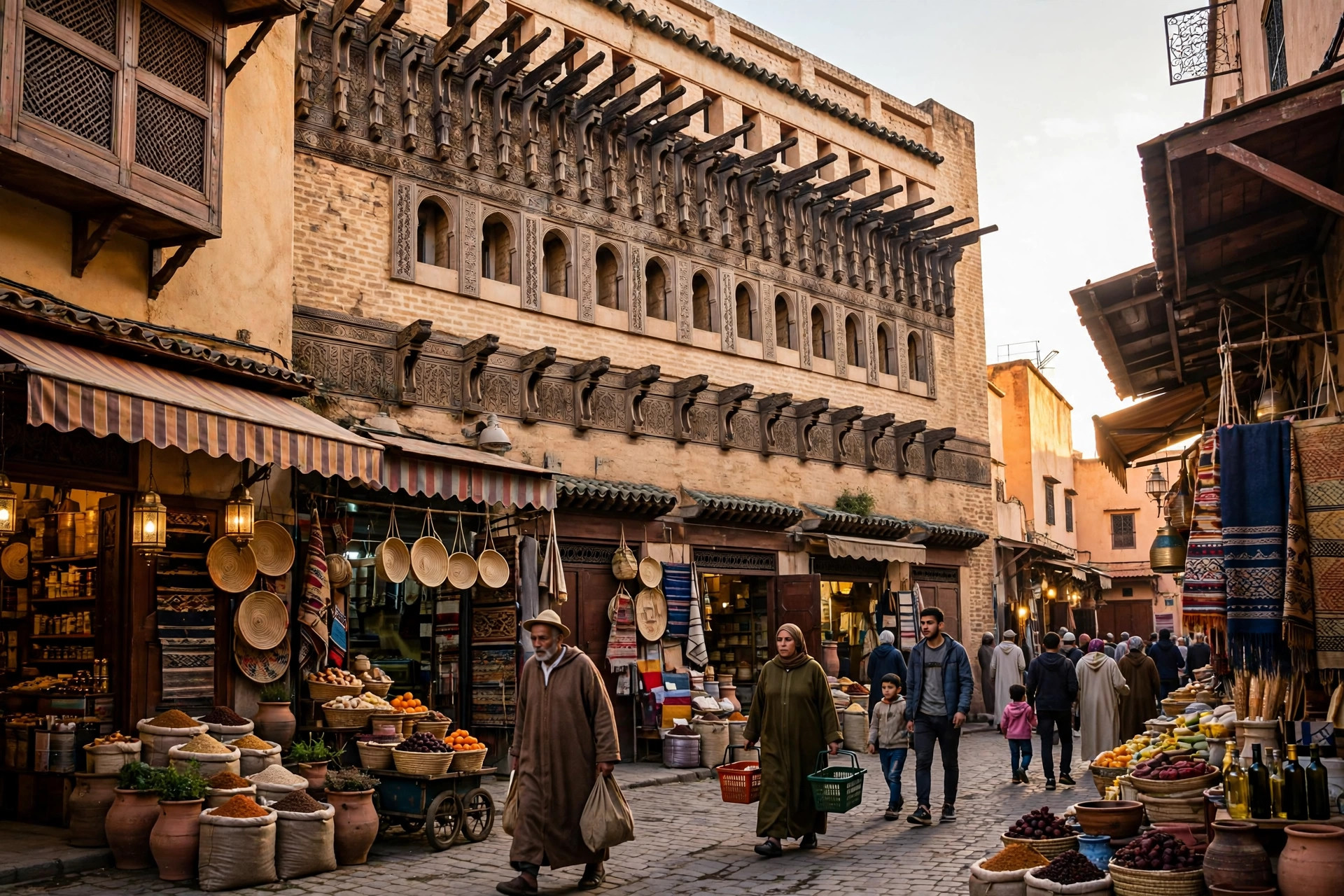
The facade of the Dar al-Magana water clock in Fez with twelve small windows and wooden beams above Talaa Kebira street at golden hour, from this guide to the history of moroccan astronomy

The history of Moroccan astronomy begins not in a desert observatory but in a mosque school in Fez, where scholars measured the sky to fix the hours of prayer. For more than a thousand years, Moroccan astronomers built astrolabes of engraved brass, taught the stars in madrasas and kept water clocks ringing over crowded streets. … Read more
The Cost of Climbing Toubkal: Guides, Mules and Refuges in 2026

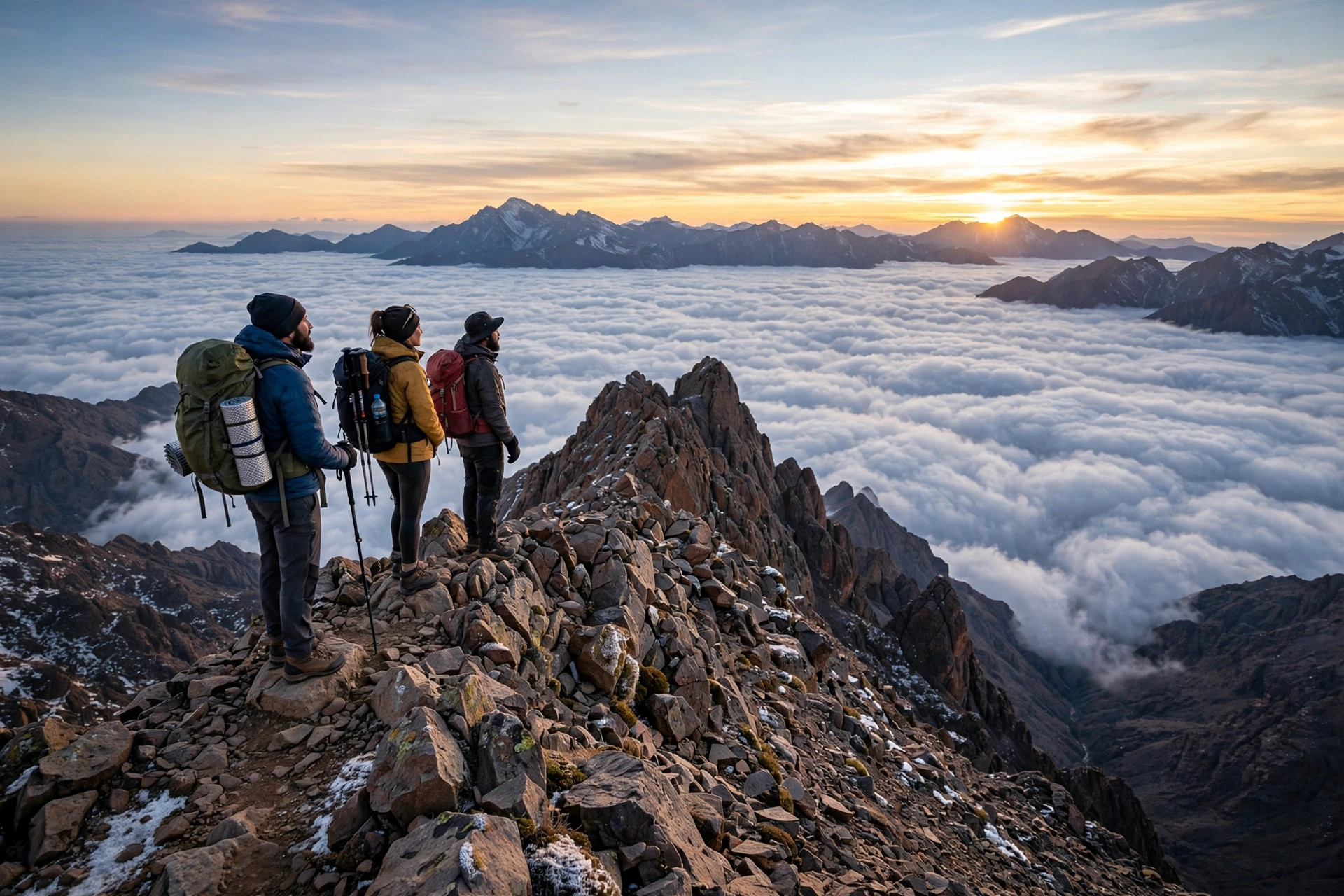
Hikers on the rocky summit ridge of Mount Toubkal at sunrise above a sea of clouds, the highest peak in North Africa, from this guide to the cost of climbing toubkal.

The cost of climbing Toubkal is the first question every walker asks about North Africa's highest peak — and the answer is pleasantly low by world mountain standards. Mount Toubkal stands 4,167 metres above the High Atlas, a two-day walk from the village of Imlil, and a self-arranged climb for two people typically runs 2,200–3,500 … Read more

The History of Moroccan Manuscripts and Libraries: Qarawiyyin, the Royal Library and the Books of Fez

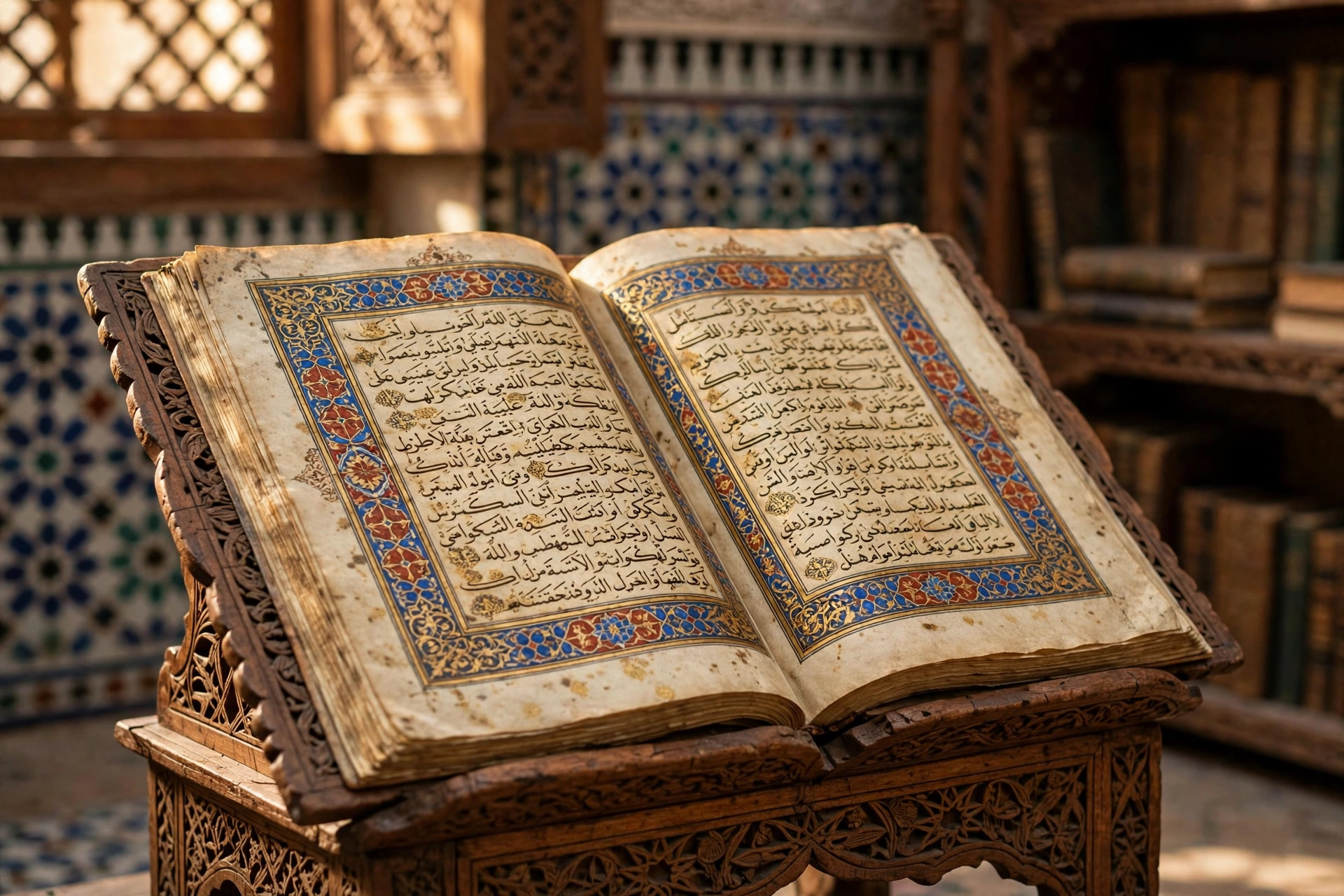
An illuminated Moroccan manuscript with gold-leaf calligraphy open on a carved wooden stand in the history of moroccan manuscripts

The history of Moroccan manuscripts begins in Fez, in a mosque-university founded by a woman in the 9th century, and runs through a thousand years of copyists, sultans, scholars and desert libraries. Morocco's old books are not museum pieces: they are the working records of a civilisation that wrote its law, science, poetry and faith … Read more

The History of Moroccan Gardens: Agdal, Menara and the Paradise Gardens of the Dynasties

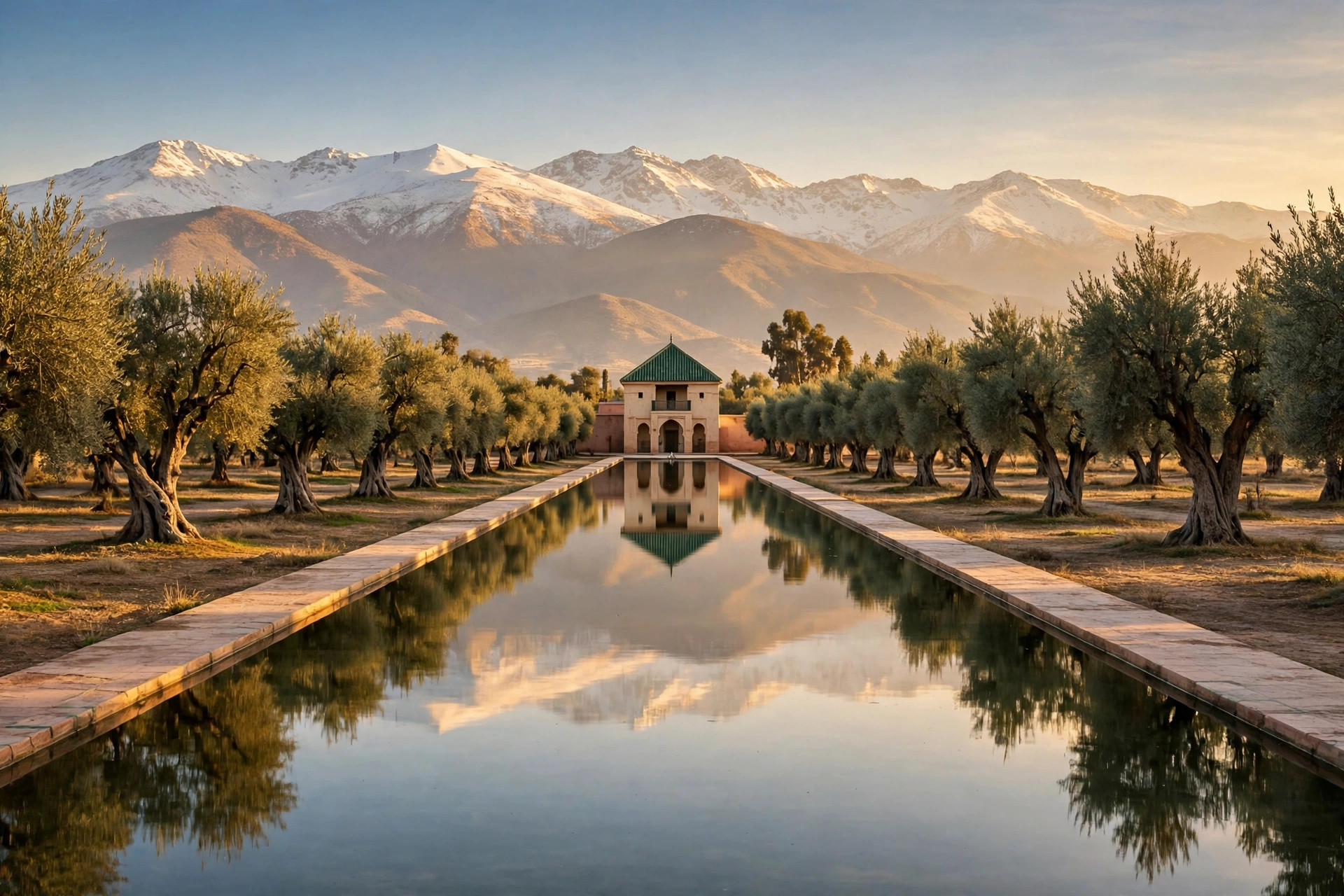
The Menara pavilion and its olive grove reflected in the great basin in Marrakech, Morocco — the history of Moroccan gardens

The history of Moroccan gardens begins with a simple problem: how do you grow paradise in a dry country? For nine centuries, Moroccan sultans, scholars and gardeners answered it the same way — with water. They dug channels under the desert, built basins the size of lakes, and planted walls of olive, orange and palm. … Read more