Morocco is one of those rare countries that works both as a holiday and as a home. It sits an hour from Europe by plane, runs on a cost base far lower than Spain or Portugal, and offers a quality of daily life — the food, the light, the café culture, the pace — that people who come for three months often end up extending for three years. But living in Morocco is not the same as visiting it, and the gap between the postcard version and the resident version is exactly where most newcomers get surprised.
I am Moroccan, and this guide is written from the inside: how visas and residency actually work in practice, where foreign residents really live (it is probably not where you think), what rent you should expect to pay in dirhams, how healthcare works when you are not a tourist anymore, and the drawbacks nobody puts in the brochure. If you are still planning your first trip, start with our Morocco travel guide for first-time visitors — then come back here when you start thinking about staying.
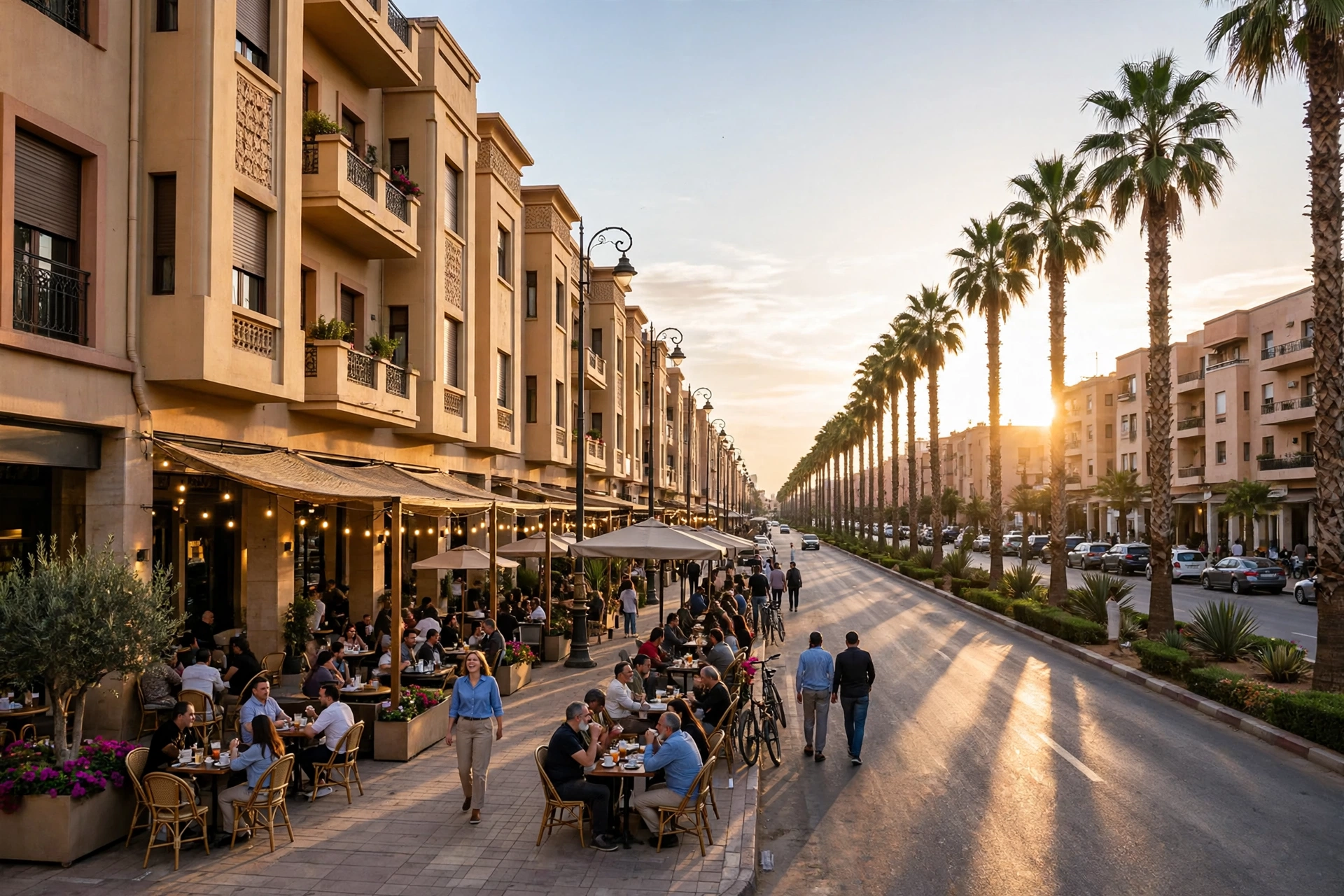
Why people move to Morocco
The reasons repeat so often among long-term residents that they have become a pattern. Cost is the obvious one: a comfortable life that might cost €3,000 a month in Lisbon or Málaga typically costs €1,200–€1,800 in a Moroccan city, with rent the biggest saving. Then climate — over 300 days of sunshine a year on the Atlantic coast — and geography: Morocco shares London’s time zone for much of the year, with direct flights to most European capitals.
Then there are the softer reasons that matter more over time. Daily life here still happens in person: markets, cafés, hammams, neighbourhood bakeries. Remote workers like the café culture and improving fibre internet; retirees like the private healthcare prices; surfers settle around Taghazout and Agadir; and a growing number of families choose Rabat or Casablanca for the international schools.
Where expats actually live
Here is the first insider correction, and it is the one that surprises people most: foreigners romanticise the medinas, but most long-term residents do not live in them. The old towns are beautiful, atmospheric and wonderful to visit — and often impractical as a base. Medina houses can be hard to reach by car, expensive to heat in winter, short on parking, and the riad layout that charms tourists (rooms around an open courtyard) is cold and noisy when it is your everyday home. The majority of settled expats live in the ville nouvelle — the modern districts built from the French protectorate era onwards — such as Guéliz in Marrakech, Agdal in Rabat and Maarif in Casablanca. They choose them for unglamorous reasons that matter enormously after month two: parking, lifts, heating, supermarkets, and fibre internet.
| City | Best districts for residents | Character | One-bedroom rent (MAD/month) |
|---|---|---|---|
| Rabat | Agdal, Hay Riad, Souissi | Capital city; calm, green, administrative, strong expat infrastructure | 4,500–7,500 |
| Casablanca | Maarif, Gauthier, Ain Diab | Economic capital; business energy, best hospitals and international schools, real traffic | 5,000–9,000 |
| Marrakech | Guéliz, Hivernage, Targa | Tourism hub; intense, sunny, social — very hot in summer | 4,000–8,000 |
| Agadir | Founty, Cité Suisse, Marina area | Beach city rebuilt after 1960; mild winters, relaxed, surf nearby | 3,500–6,500 |
| Tangier | Centre, Marshan, Iberia | Gateway to Europe; booming, windy, increasingly international | 4,000–7,500 |
| Essaouira | Medina edge, Borj area | Small, artistic, windy; beloved by creatives, limited services | 3,000–5,500 |
Rents checked November 2026; furnished one-bedroom apartments in resident districts. As a rough guide, 1,000 MAD ≈ $100 ≈ €92.
Rabat deserves a special mention because outsiders underestimate it: it lacks Marrakech’s drama, but it is clean, green and well administered, and many long-term residents quietly consider it the smartest place to actually live. Casablanca is where the jobs, hospitals and schools are. Marrakech is the most social and the most extreme — glorious from October to April, genuinely challenging in July and August, when many residents leave for the coast.
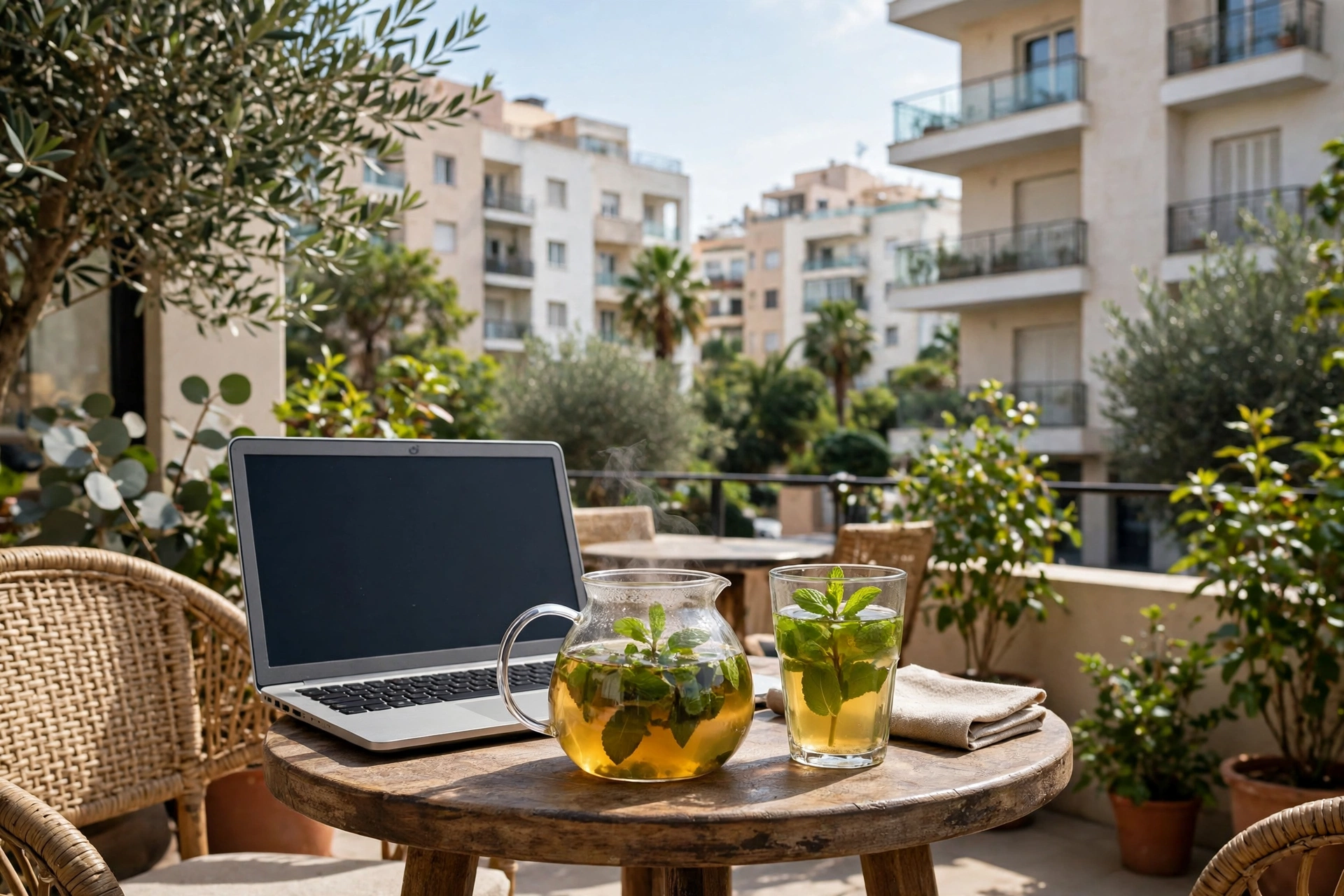
Visas and the 90-day rule vs residency
Most nationalities — including citizens of the EU, UK, US, Canada and Australia — can enter Morocco visa-free for stays of up to 90 days. Your passport is stamped on arrival, and that stamp is your legal clock. This is where the second insider correction matters: leaving and re-entering does not create a right to live here. In the past, some long-stay visitors relied on quick trips to Spain or the Spanish enclaves to reset their 90 days. Border officers have become noticeably stricter about repeated back-to-back re-entries, and a refusal or a short stamp can wreck your plans. Treat the 90 days as what it is — a generous tourist allowance — and if you intend to stay longer, do it properly through residency.
Residency is the carte de séjour, a residence permit typically issued for one year at first and renewable. In most cases you apply at the police headquarters (Préfecture de Police) or the relevant local authority in your city of residence, and the file typically includes your passport and entry stamp, a Moroccan rental contract in your name, proof of income or funds (pension statements, employment contract, or bank statements), a medical certificate, a criminal record extract from your home country, passport photos and completed forms. The exact list varies slightly by city and by your category — employee, retiree, student, business owner, spouse of a Moroccan citizen — so confirm the current checklist locally before assembling your file.
Two practical truths from residents who have done it. First, the rental contract matters more than almost any other document, which is why serious long-stay visitors sign a proper lease early. Second, the process rewards patience: a temporary receipt (récépissé) usually covers you while the card is produced. Many expats hire a local fixer or relocation lawyer for the first application — typically a few thousand dirhams — and handle renewals themselves. Rules evolve, so treat this as orientation, not legal advice, and verify your situation with a consulate or local immigration lawyer. Check the FCDO travel advice for Morocco before you book.
Renting a home in Morocco
Renting is where living in Morocco becomes real. Most resident-quality apartments are found through local agencies (usually charging around one month’s rent as a fee), city Facebook groups, or — most effectively — by walking the district you like and asking. Furnished apartments dominate the expat market; unfurnished ones are cheaper but often come without a fitted kitchen, which surprises newcomers.
Typical monthly rents for a furnished one-bedroom in a good resident district, checked November 2026:
- Rabat (Agdal, Hay Riad): 4,500–7,500 MAD (≈ $450–$750)
- Casablanca (Maarif, Gauthier): 5,000–9,000 MAD (≈ $500–$900)
- Marrakech (Guéliz, Hivernage): 4,000–8,000 MAD (≈ $400–$800), with strong seasonal pressure
- Agadir: 3,500–6,500 MAD (≈ $350–$650)
- Tangier: 4,000–7,500 MAD (≈ $400–$750)
- Smaller cities and Essaouira: 3,000–5,500 MAD (≈ $300–$550)
Expect to pay a deposit of one to two months’ rent, and negotiate — respectfully — especially for leases of a year or more, where a discount of 10–15% off the asking price is common. Get the contract in writing, in your name, ideally registered, because you will need it for residency, for a bank account and sometimes for a phone contract. Check three things before signing that tourists never think about: whether the building has heating or at least good sun exposure (Moroccan winters are cold indoors — see the drawbacks), what the water pressure is like on upper floors, and whether fibre internet is already installed in the building or available on the street.
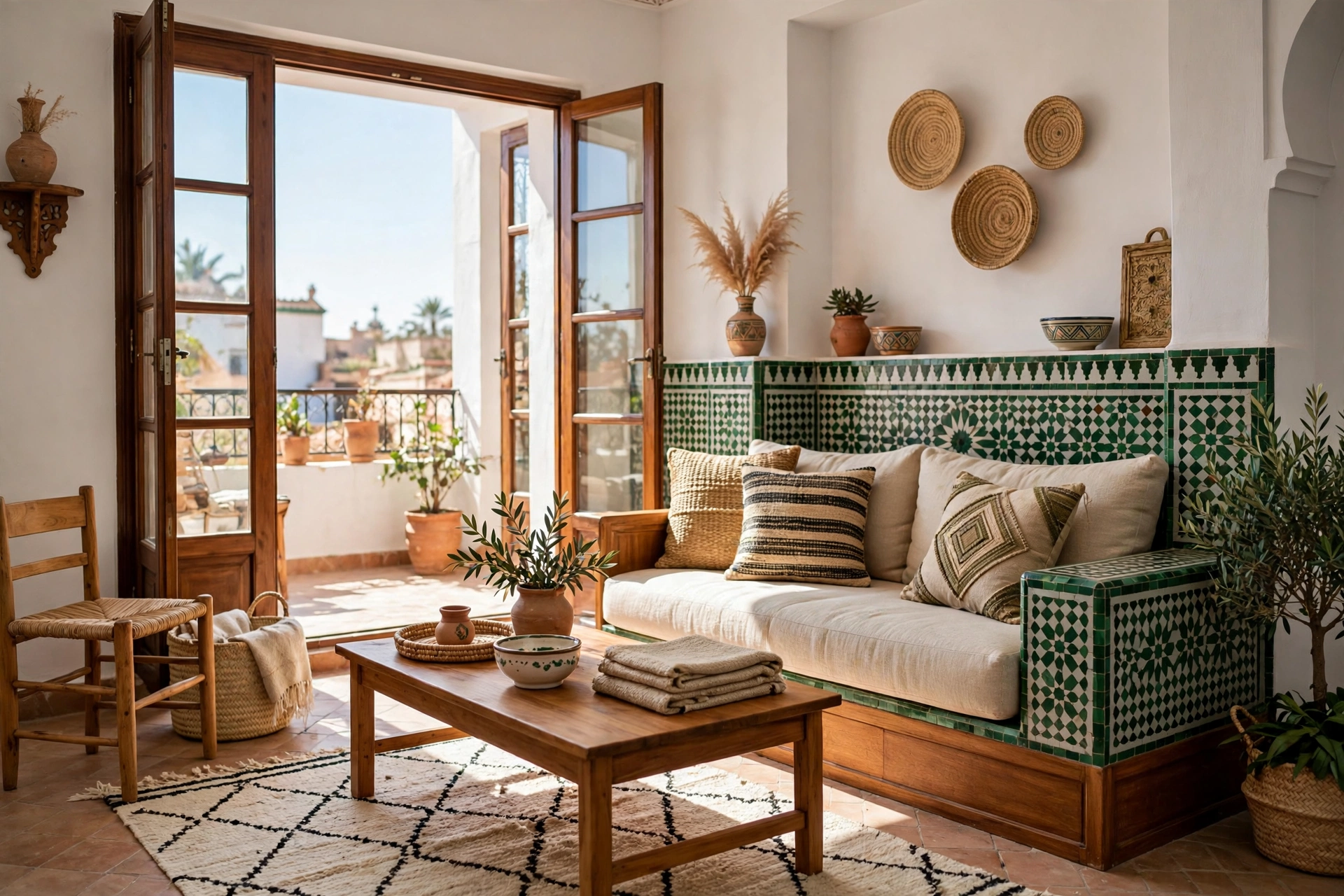
Healthcare: public vs private
Morocco has a dual system. The public sector is inexpensive and improving, and it is what most Moroccans use for major care, but for everyday medicine almost all expats use the private sector — and this is one of Morocco’s genuine bargains. A consultation with a private GP in a major city typically costs 200–300 MAD (≈ $20–$30); a specialist, 300–500 MAD. Private clinics in Casablanca, Rabat and Marrakech offer modern equipment and short waits, and many doctors trained in France or Belgium. Dental care is a fraction of European prices, which is why medical and dental visits feature in many residents’ budgets.
Residents with a carte de séjour who work locally are typically covered by Moroccan social security schemes (CNSS for private-sector employees, and the expanding AMO health coverage). If you are retired, remote-working for a foreign employer, or between statuses, private international health insurance is the standard solution — roughly $80–$250 a month depending on age and coverage. Whatever you choose, do not live here long-term uninsured: surgery and hospitalisation still cost real money.
Daily life: transport, food, connectivity
Daily life in a Moroccan city is pleasantly low-friction once you learn its rhythms. The petit taxi is the resident’s best friend — metered, everywhere, and cheap: most in-city rides cost 10–30 MAD. Insist on the meter (“compteur”) and the ride becomes boringly fair. Rabat and Casablanca have modern trams; intercity travel runs on ONCF trains, including the Al Boraq high-speed line between Tangier, Rabat and Casablanca. Many expats eventually buy a car, but city-centre living works fine without one.
Food shopping splits in two, and learning the split is a small rite of passage. Supermarkets (Marjane, Carrefour, BIM for basics) have fixed prices; the neighbourhood souk has better produce, better prices and friendly negotiation. Mixing both keeps a single person’s food budget around 1,500–2,500 MAD a month if you cook; eating out ranges from a 40 MAD neighbourhood lunch to 300 MAD a head in a good restaurant. Fresh bread costs about 1.20 MAD, and a mint tea in a local café is still 10–16 MAD.
Connectivity is better than most people expect. All three operators (Maroc Telecom, Orange, inwi) sell prepaid SIMs at the airport and in any phone shop; a generous monthly data bundle costs 50–100 MAD. Home fibre, where available in the ville nouvelle districts, typically runs 249–500 MAD a month depending on speed, and 4G coverage is solid in every city in this guide. That combination — cheap data, café culture, European time zone — is precisely why remote workers have adopted Morocco so quickly.
Costs snapshot
Putting it together, a single person living comfortably — not lavishly, not backpacking — in a ville nouvelle district typically spends 9,000–16,000 MAD a month (≈ $900–$1,600), including rent, while couples in the same districts usually land between 14,000 and 24,000 MAD. Marrakech in high season and Casablanca’s best districts push towards the top; Agadir, Tangier off-season and smaller cities sit lower. For the full city-by-city breakdown — utilities, gyms, schools, eating out, worked monthly budgets for singles, couples and families — see our pillar guide to the cost of living in Morocco, which this page’s figures are drawn from.
Culture, language and fitting in
Morocco runs on relationships, greetings and unhurried courtesy, and fitting in is mostly a matter of learning the choreography. Greetings matter: a proper “salam alaikum” with time for enquiries about health and family is not small talk here, it is the social operating system. Hospitality is real and reflexive — you will be offered tea constantly, and accepting gracefully is a skill worth acquiring.
On language, be realistic. French is widely spoken in administration, business and the cities, and English is rising fast among younger Moroccans. But daily life — taxis, markets, landlords, plumbers — runs on Darija, the Moroccan Arabic dialect. You do not need fluency; fifty words of Darija will transform how people treat you, because the effort itself is the message. A third insider truth: outsiders often assume Morocco is culturally uniform, when in fact it is layered — Arab, Amazigh, Saharan, Andalusian and French influences vary by region, and the conservative-liberal balance shifts noticeably between, say, Agdal and a small Atlas town. Dress a notch more conservatively than at home, especially outside the big cities and during Ramadan, and you will almost never go wrong.
Honest drawbacks
A guide that only sells you the dream is a brochure, so here is the other side. Bureaucracy is the universal complaint: paperwork moves at its own pace, requirements differ between offices, and tasks that take ten minutes online in Europe can take a morning and three photocopies here. Winters are cold indoors — coastal cities rarely drop below 8°C outside, but uninsulated buildings without central heating feel colder than the thermometer suggests, which is why residents prioritise heating when renting. Summer in Marrakech and the interior is seriously hot, regularly above 40°C. Add traffic that requires adjustment, pushy salesmanship in tourist zones, late-night noise, and the “tourist price” you will sometimes be quoted until your face — and your Darija — become familiar. None are deal-breakers for most people who stay, but all are easier when you arrive expecting them.
Frequently asked questions
Can I live in Morocco on $1,500 a month?
Yes, comfortably, in most cities. That budget (≈ 15,000 MAD) covers a good one-bedroom apartment in a resident district, utilities, food mixing markets and restaurants, local transport and private healthcare extras. Casablanca’s premium districts and a car would stretch it; Agadir, Tangier or Rabat fit it well.
How long can I stay in Morocco without residency?
Most Western nationalities get 90 days visa-free on entry. Staying longer legally means applying for a carte de séjour residence permit; repeatedly exiting and re-entering to reset the clock is increasingly risky and is not a legal right to reside.
Is Morocco safe for expats?
Morocco is generally considered one of the safer countries in the region for foreign residents, with low rates of violent crime. The realistic issues are petty: scams and overcharging in tourist areas, and traffic. Normal big-city awareness applies, and women residents give mixed but generally manageable reports, with conservative dress easing daily friction outside resort zones.
Do I need to speak French or Arabic to live in Morocco?
You can function in the big cities with French, and increasingly with English, but basic Darija dramatically improves daily life and prices. Most long-term residents recommend learning survival Darija in your first months and French if you plan to work or deal with administration regularly.
Can foreigners buy property in Morocco?
Yes — foreigners can buy apartments and houses in Morocco in most cases (agricultural land is the main exception), and many long-term residents do. Buying does not by itself grant residency, though property ownership can support a residency application. Use a notaire, as all sales pass through one, and take independent legal advice.
What is the biggest mistake new expats make?
Choosing where to live based on a holiday. People fall for a medina riad or a beach town in April, then discover the winter cold, the summer heat, the parking, or the distance from hospitals and fibre internet. Rent for a full year in a practical district first — Guéliz, Agdal, Maarif — and let the romantic choices come later, informed.
Thinking of making the move? Browse the rest of this site for city guides, real prices and the history behind the places, and read our About page to see who writes this guide and why. If a detail here ever conflicts with an official source, trust the official source and tell us, so we can keep this guide honest.
3 thoughts on “Living in Morocco: The Complete Guide for Expats and Long-Stay Visitors”