
Introduction
Rabat is Morocco’s quiet capital: wide boulevards, Atlantic light and unhurried mornings. Smaller and calmer than Casablanca and greener than Marrakech, it suits expats who want a real home. This guide to the best neighbourhoods to live in Rabat is built on rents, safety, schools and transport as they stand in November 2026, with prices in dirhams (MAD) and dollars at roughly 10 MAD to $1.
Choosing where to live here matters, because Rabat is spread out and districts feel very different. We ranked the best neighbourhoods to live in Rabat by everyday liveability, not postcard beauty. For comparison, see our guides to the best neighbourhoods in Casablanca and Marrakech, and start with our Rabat travel guide before you commit to a lease.
In this guide
- At a glance: the comparison table
- Agdal, Hay Riad, Souissi, Les Orangers
- Hassan and the city centre
- The medina and the Kasbah of the Udayas
- Aviation and Yaacoub El Mansour
- Costs, choosing, conclusion, FAQs
The Best Neighbourhoods to Live in Rabat at a Glance
Rents below are typical asking ranges for furnished flats in November 2026. Unfurnished flats usually run 15 to 25 percent cheaper, and landlords often ask for two to three months’ rent as a deposit.
| Neighbourhood | 1-bed / month | 2–3-bed / month | Best for | Transport |
|---|---|---|---|---|
| Agdal | 6,000–9,000 MAD ($600–$900) | 10,000–16,000 MAD ($1,000–$1,600) | Singles, couples | Tram, train |
| Hay Riad | 7,000–10,000 MAD ($700–$1,000) | 12,000–20,000 MAD ($1,200–$2,000) | Families | Car, bus |
| Souissi | 12,000–18,000 MAD ($1,200–$1,800) | 20,000–40,000 MAD ($2,000–$4,000) | Diplomats | Car only |
| Les Orangers | 6,500–9,500 MAD ($650–$950) | 11,000–17,000 MAD ($1,100–$1,700) | Walkers | Tram |
| Hassan / centre | 5,000–8,000 MAD ($500–$800) | 8,000–14,000 MAD ($800–$1,400) | Budget | Tram, train |
| Medina / Kasbah | 4,500–7,500 MAD ($450–$750) | 7,000–12,000 MAD ($700–$1,200) | Culture lovers | On foot |
| Aviation / Yaacoub | 4,000–6,500 MAD ($400–$650) | 7,000–11,000 MAD ($700–$1,100) | Value seekers | Tram, bus |
No district wins on every measure: Agdal on convenience, Hay Riad on space and schools, Souissi on privacy.
Agdal: The Expat Favourite
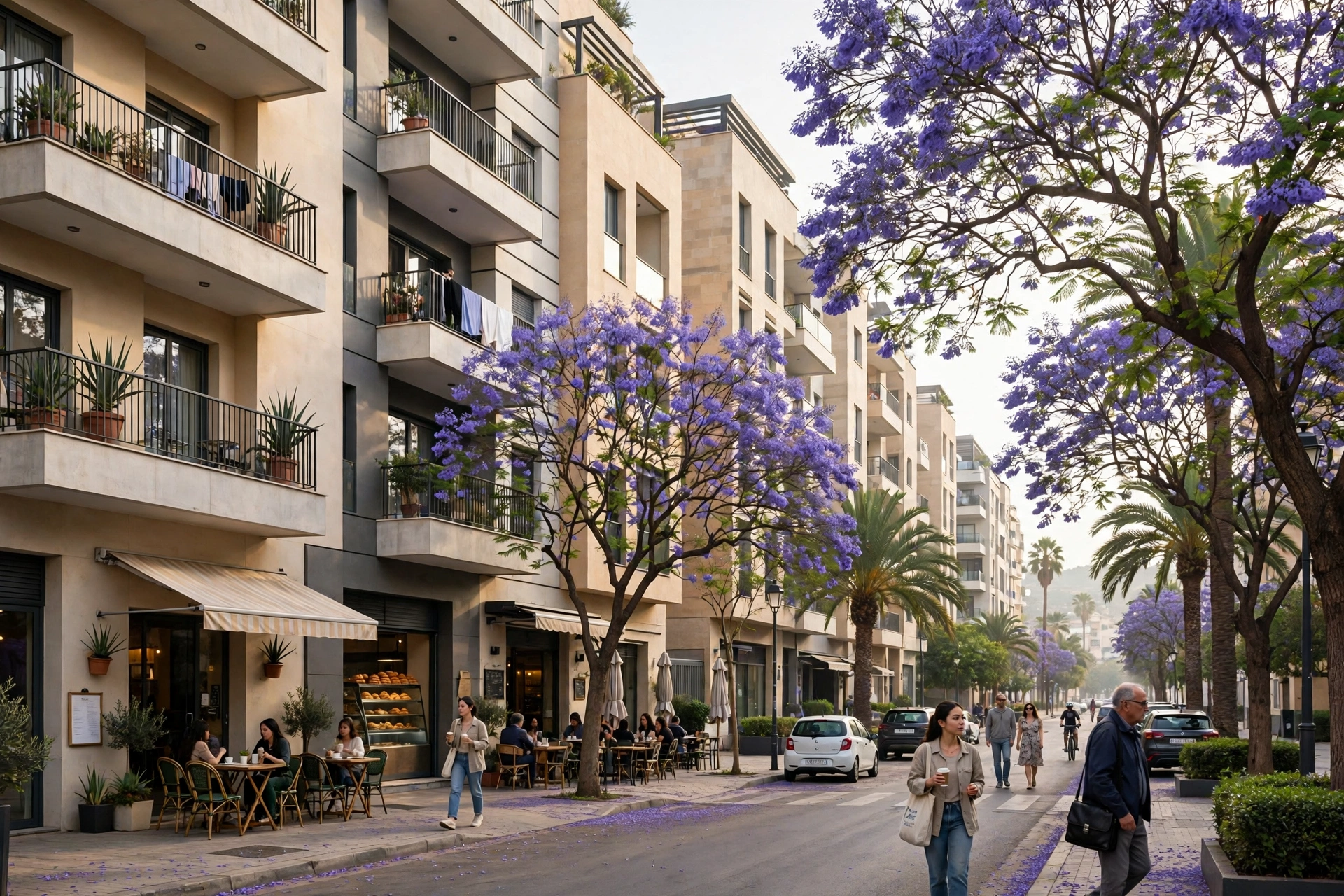
Ask any long-term resident and Agdal will top their list of the best neighbourhoods to live in Rabat. It is the city’s lively middle, with leafy avenues, modern blocks, late cafes and a tram stop never far away. It suits singles, couples and first-time arrivals best.
A furnished one-bedroom costs 6,000 to 9,000 MAD ($600 to $900) a month, and a two- or three-bedroom runs 10,000 to 16,000 MAD ($1,000 to $1,600). Rabat Agdal station reaches Casablanca in about an hour. Streets stay busy and well patrolled into the evening, and French and private schools run buses through the district.
The honest drawback is noise: the avenues that make Agdal convenient carry heavy traffic. Prefer a flat set back from the avenue. For couples who want a walkable first year, Agdal is one of the best neighbourhoods to live in Rabat.
Hay Riad: Modern Family Living
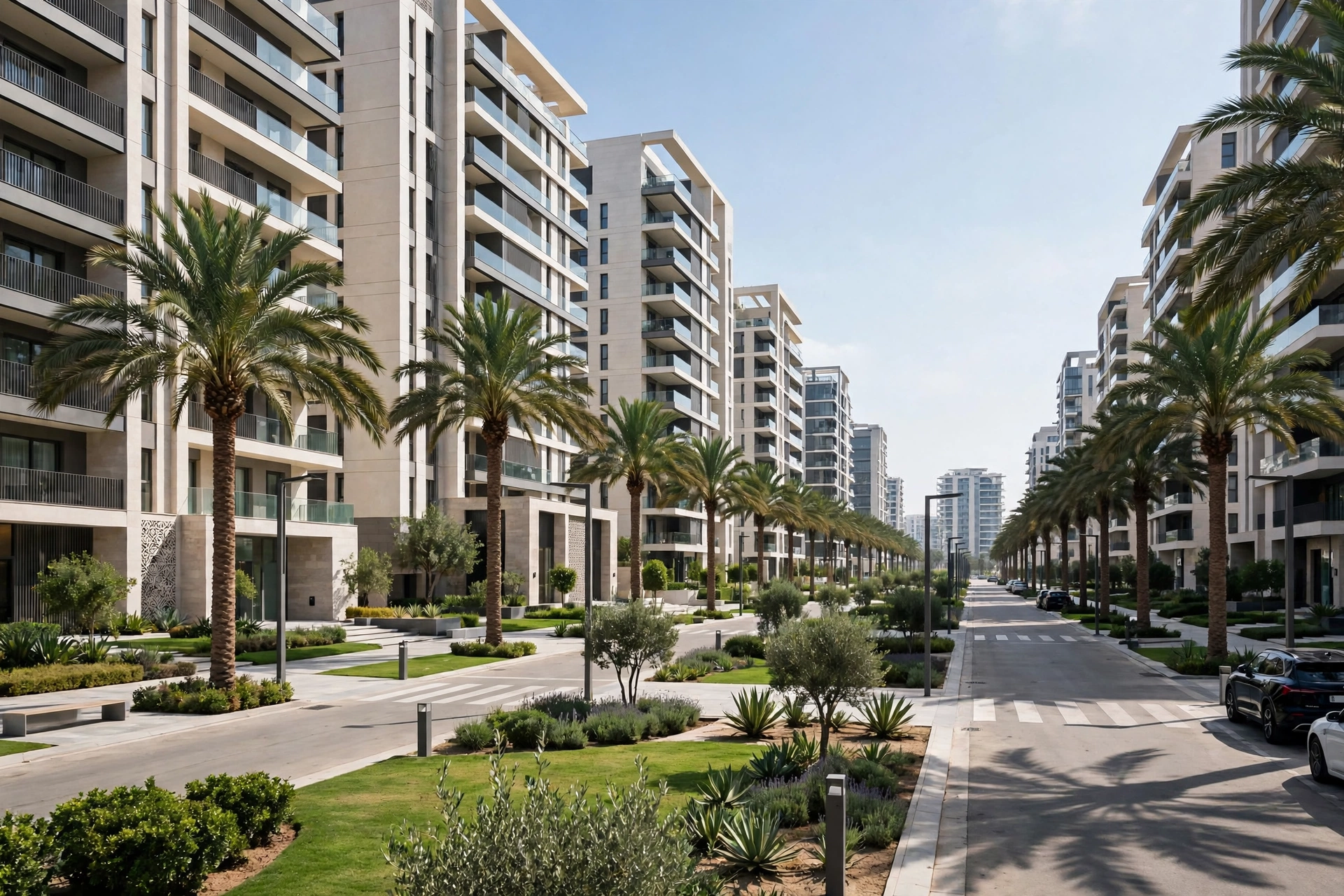
Hay Riad is Rabat’s modern residential quarter, built for space, with wide avenues, gated residences and leading international schools. For families who drive everywhere, Hay Riad is one of the best neighbourhoods to live in Rabat, and it shows in the families who settle here.
Expect 7,000 to 10,000 MAD ($700 to $1,000) a month for a furnished one-bedroom, and 12,000 to 20,000 MAD ($1,200 to $2,000) for a two- or three-bedroom flat or small villa. International schools with French, American and British curricula are a short drive away; see our guide to schools in Morocco for expat families.
Safety is excellent: quiet, well-lit streets and guarded residences. For a family that drives, few districts can match it, which is why Hay Riad stays among the best neighbourhoods to live in Rabat year after year. The honest drawback is distance: the tram does not serve most of the district, and a dinner out usually means a drive to Agdal.
Souissi: Villas and Embassies
Souissi is Rabat’s most prestigious address, a green, guarded quarter of embassies, ambassadorial residences and large villas behind high walls. Souissi belongs on any shortlist of the best neighbourhoods to live in Rabat for diplomats and senior executives.
The district suits senior professionals and families who value privacy and space. Plots are large and streets are quiet and tree-lined. A one-bedroom flat is rare, but expect 12,000 to 18,000 MAD ($1,200 to $1,800) a month; family villas run 20,000 to 40,000 MAD ($2,000 to $4,000).
Safety is the best in the city, with a visible embassy presence and quiet streets at night. Schools are a short drive away, including the French Lycée Descartes and the international schools of Hay Riad. For a senior posting with a housing allowance, Souissi is one of the best neighbourhoods to live in Rabat. The honest drawback is isolation: you will need a car for almost everything, and villas bring villa-sized bills for gardens, pools and security.
Les Orangers: Central and Green
Les Orangers sits between Agdal and the city centre, a calm residential pocket named for its orange trees. It is one of the quieter choices among the best neighbourhoods to live in Rabat for expats who want centrality without Agdal’s bustle.
The district suits couples and professionals who walk everywhere, with the tram nearby for longer trips. A furnished one-bedroom costs around 6,500 to 9,500 MAD ($650 to $950) a month, and a two- or three-bedroom runs 11,000 to 17,000 MAD ($1,100 to $1,700).
Safety is good, with quiet streets and a strong community feel. Schools are a short drive or bus ride away: the French and private Moroccan schools of central Rabat. The honest drawback is limited choice: the district is small, quality flats are rare, and when one appears you should decide quickly. For patient renters who prize quiet streets, it remains one of the best neighbourhoods to live in Rabat.
Hassan and the City Centre: Car-Free Living
Hassan is the historic heart of Rabat, the district around the parliament, the medina gates and the main boulevards. It is the best of the best neighbourhoods to live in Rabat for car-free living.
The district suits budget-conscious expats, solo arrivals and anyone who wants the city at their doorstep. The tram runs through Hassan, Rabat Ville station connects to the national rail network, and the medina and beaches are within walking distance.
Rents are the most affordable of the central districts. A furnished one-bedroom costs 5,000 to 8,000 MAD ($500 to $800) a month, and a two- or three-bedroom runs 8,000 to 14,000 MAD ($800 to $1,400). Safety is generally good on the main boulevards, though side streets get quiet after dark. Schools require a commute to Hay Riad or Souissi.
The honest drawback is the housing stock: many buildings are old, insulation is thin, and winter damp is a real issue in ground-floor flats. Visit in person and check for damp before you commit. For a single expat on a budget, few central districts beat it, which keeps Hassan among the best neighbourhoods to live in Rabat for car-free living.
The Medina and the Kasbah of the Udayas: Historic Charm
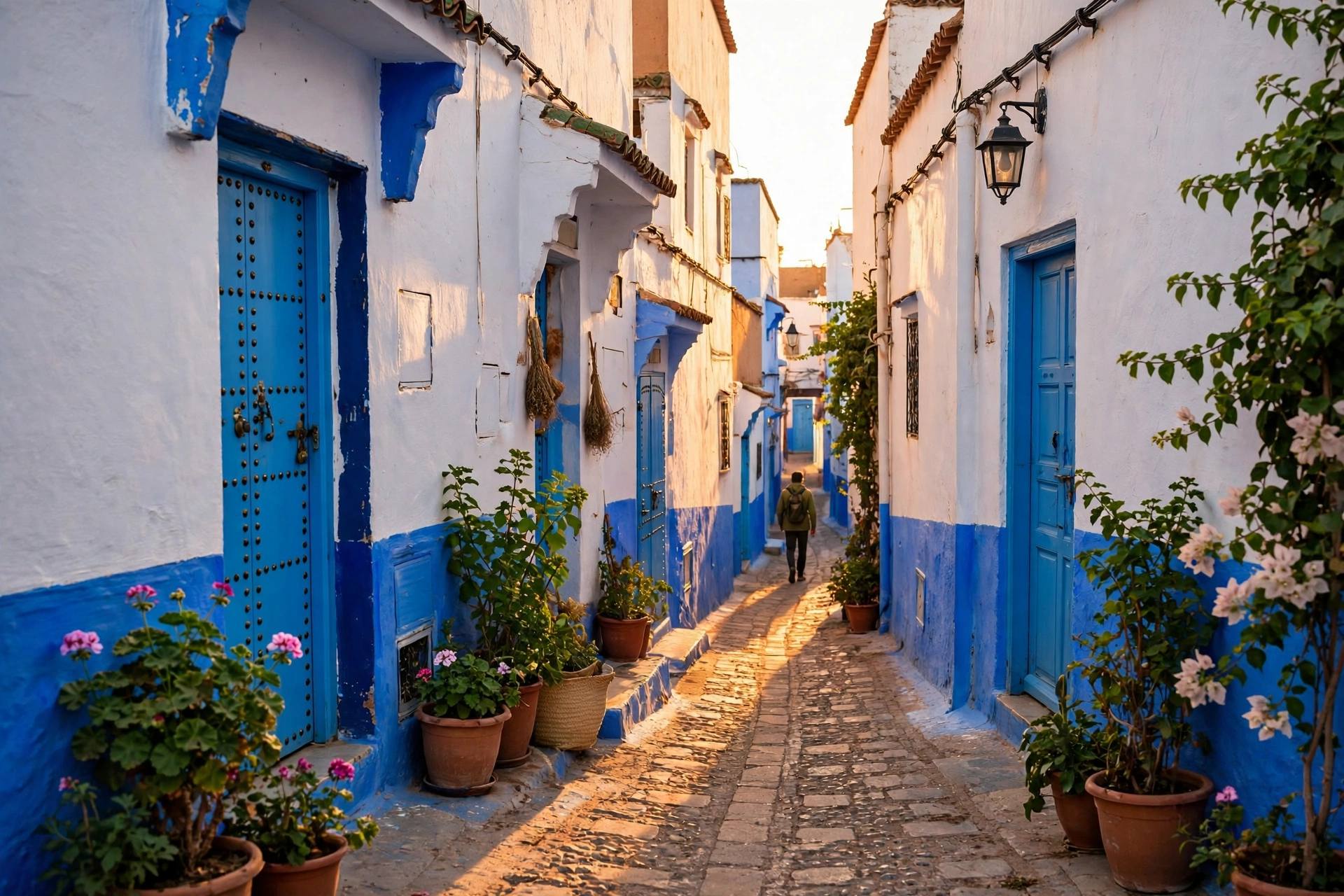
The medina is the most atmospheric of the best neighbourhoods to live in Rabat, and the Kasbah of the Udayas, the blue-and-white fortress above the river mouth, is its jewel. Living here means stepped alleys, craft workshops and the Atlantic at the end of your street. It suits culture lovers, writers, artists and short-stay expats who want to live inside history.
Rents are modest. A small furnished flat costs 4,500 to 7,500 MAD ($450 to $750) a month, and a larger house runs 7,000 to 12,000 MAD ($700 to $1,200). Safety is good by day; at night alleys are quiet and poorly lit, so choose a home near a main lane. Schools are not its strength.
Transport is on foot: cars cannot reach most medina homes, so you walk and take taxis from the gates. The honest drawback is practical living — damp, narrow stairs, no parking and no lift. Most expats treat the medina as a chapter, though romantics will still call it one of the best neighbourhoods to live in Rabat.
Aviation and Yaacoub El Mansour: Best Value
Aviation and neighbouring Yaacoub El Mansour, south of the centre, are Rabat’s value pick. Aviation is one of the best neighbourhoods to live in Rabat for value, with solid flats, a local feel and rents well below the expat districts.
The area suits long-stay expats, remote workers and buyers. You get more space for your money, local markets with honest prices, and a neighbourhood that feels Moroccan first and expat second. It suits anyone who already knows the city.
Rents are the lowest in this guide. A furnished one-bedroom costs 4,000 to 6,500 MAD ($400 to $650) a month, and a two- or three-bedroom runs 7,000 to 11,000 MAD ($700 to $1,100). Safety is reasonable, with busy local streets and a strong neighbourhood feel; choose a street near the tram line. Schools are local rather than international, and the international campuses are a drive away.
The tram serves parts of the area and taxis are cheap. The honest drawback is distance and polish. For the savings, most residents consider that a fair trade, and for budget-minded long stays it stays one of the best neighbourhoods to live in Rabat.
Monthly Costs of Living in Rabat
Across the best neighbourhoods to live in Rabat, a single person can live comfortably on 12,000 to 18,000 MAD ($1,200 to $1,800) a month, while a family of four should budget 25,000 to 40,000 MAD ($2,500 to $4,000). Budget below: two-bedroom flat in Agdal.
| Monthly expense | Single person | Couple | Family of four |
|---|---|---|---|
| Rent (2-bed, Agdal) | 8,000 MAD ($800) | 10,000 MAD ($1,000) | 14,000 MAD ($1,400) |
| Groceries and markets | 2,500 MAD ($250) | 4,000 MAD ($400) | 6,500 MAD ($650) |
| Eating out and cafes | 1,200 MAD ($120) | 2,000 MAD ($200) | 2,500 MAD ($250) |
| Transport (tram, taxi) | 600 MAD ($60) | 900 MAD ($90) | 1,500 MAD ($150) |
| Utilities and internet | 800 MAD ($80) | 1,000 MAD ($100) | 1,400 MAD ($140) |
| Health insurance | 800 MAD ($80) | 1,500 MAD ($150) | 2,500 MAD ($250) |
| Leisure and travel | 1,000 MAD ($100) | 1,500 MAD ($150) | 2,000 MAD ($200) |
| Total | 14,900 MAD ($1,490) | 20,900 MAD ($2,090) | 30,400 MAD ($3,040) |
Food is where Rabat rewards you most: market vegetables, bread and mint tea cost very little, and a restaurant meal runs 100 to 200 MAD ($10 to $20) a person. Imported goods cost far more.
Utilities are modest: electricity and water for a two-bedroom flat usually total 500 to 900 MAD ($50 to $90) a month, and fibre internet adds about 200 to 400 MAD ($20 to $40). For a national comparison, see our cost of living in Morocco guide.
How to Choose Your Neighbourhood
If you shortlist three of the best neighbourhoods to live in Rabat and visit each at different times of day, you will learn more in a weekend than in a month of online research. Walk the streets at 9 a.m. and again at 9 p.m., and talk to the shopkeepers.
Start with your commute. A central office favours Agdal, Les Orangers or Hassan; an international school favours Hay Riad or Souissi. Remote workers can choose freely, and value districts like Aviation deserve a look.
Next, test your budget honestly. The best neighbourhoods to live in Rabat reward a slow decision, so rent for six months rather than a year if you can, and keep a month of rent aside for the deposit. Finally, rent before you buy: prices move slowly, good flats appear every week, and a neighbourhood that looks perfect online can feel wrong on the ground.
For wider context, see the Wikipedia page on Rabat. For trains, ONCF runs services from Rabat Agdal and Rabat Ville to Casablanca, Tangier, Fez and Marrakech.
Conclusion
Rabat is a capital that lets you live well without living loudly. The best neighbourhoods to live in Rabat all share the same foundations: safe streets, reasonable rents, good food and a pace of life that leaves room for the weekend. What differs is the flavour.
If you want convenience and company, start in Agdal. If you have children and a car, choose Hay Riad. If your employer pays, Souissi is waiting. Hassan suits a central budget, and Aviation the lowest rent. Whatever you choose among the best neighbourhoods to live in Rabat, visit first, rent short, and let the city teach you where home is.
Frequently Asked Questions
What is the safest neighbourhood in Rabat for expats?
Souissi and Hay Riad are generally considered the safest districts, thanks to their embassy presence and guarded residences. Agdal and Les Orangers are also safe.
How much is rent in Rabat for expats?
A furnished one-bedroom flat costs roughly 4,000 to 10,000 MAD ($400 to $1,000) a month, and a two- or three-bedroom costs 7,000 to 20,000 MAD ($700 to $2,000). For most newcomers, the best neighbourhoods to live in Rabat to start with are Agdal or Hay Riad, where 8,000 to 12,000 MAD ($800 to $1,200) buys a comfortable furnished flat.
Is Rabat good for expat families?
Yes. Rabat has international schools with French, American and British curricula, safe districts, parks and beaches, and a slower pace than Casablanca. Hay Riad and Souissi are the most popular family districts.
Do I need a car to live in Rabat?
It depends on your district. In Agdal, Hassan and Les Orangers you can live well without a car, using the tram, trains and taxis. In Hay Riad, Souissi and Aviation a car makes life much easier, especially with children.
Is Rabat cheaper than Casablanca?
Yes, slightly. Rents run roughly 10 to 20 percent lower than comparable districts in Casablanca. Rabat is also quieter and greener, which many expats value more than the savings.
Can expats rent in the medina of Rabat?
Yes. Small furnished flats in the medina and the Kasbah start around 4,500 MAD ($450) a month. Expect stairs, damp and no parking, and choose a home near a main lane.