
Casablanca and Marrakech set the prices most guides quote, but the cost of living in Morocco small towns is a different story — and a much cheaper one. This guide compares three towns that could hardly be more different: Al Hoceima on the Mediterranean, Ifrane high in the Middle Atlas, and Essaouira on the windy Atlantic coast.
We compare them on the same terms: rents, monthly budgets, food, transport, utilities, internet and healthcare. Every figure is a range, not a promise — the cost of living in Morocco small towns varies street by street, and you should verify on arrival before signing anything. Prices are in Moroccan dirhams (MAD), with dollars at roughly 10 MAD to $1.
One warning up front: small towns save you money and cost you convenience. The cheapest flat is no bargain if you need a hospital, a train or an international school every week.
In this guide
- Cost of Living in Morocco Small Towns at a Glance
- Al Hoceima: The Mediterranean Town on a Budget
- Ifrane: The Mountain Town with a Winter Heating Bill
- Essaouira: The Windy Atlantic Town Expats Love Most
- Rents and the Cost of Living in Morocco Small Towns
- Monthly Budgets: The Cost of Living in Morocco Small Towns in Numbers
- Food and Groceries: The Cost of Living in Morocco Small Towns Day to Day
- Getting Around: Buses, Taxis and No Trains in Al Hoceima
- Utilities, Internet and Working from a Small Town
- Healthcare: What Is Local and What Means a Trip
- Who Each Town Suits — and Who Should Skip It
- Frequently Asked Questions
- Conclusion: Is the Cost of Living in Morocco Small Towns Right for You?
Cost of Living in Morocco Small Towns at a Glance
The short answer is that the cost of living in Morocco small towns runs roughly 30–50% below Casablanca or central Marrakech, and the gap is almost entirely rent. A single person can live decently on 5,500–9,500 MAD a month ($550–$950) depending on the town, and a couple on 9,000–15,500 MAD ($900–$1,550).
The three towns are not interchangeable: Al Hoceima is the cheapest and most isolated, Ifrane the smallest and coldest, Essaouira the priciest and easiest to settle in.
| Town | Population (2024 census) | Setting | Nearest big city | Best for |
|---|---|---|---|---|
| Al Hoceima | 50,225 | Mediterranean coast, Rif region | Nador, about 150 km by road | Lowest rents, beach life |
| Ifrane | 13,964 | Middle Atlas, about 1,650 m altitude | Fez, about 65–70 km | Cool summers, university town |
| Essaouira | 82,962 | Atlantic coast, windy port city | Marrakech, about 175–185 km | Expat community, mild climate |
Checked November 2026. Populations are from the 2024 census.
Al Hoceima: The Mediterranean Town on a Budget
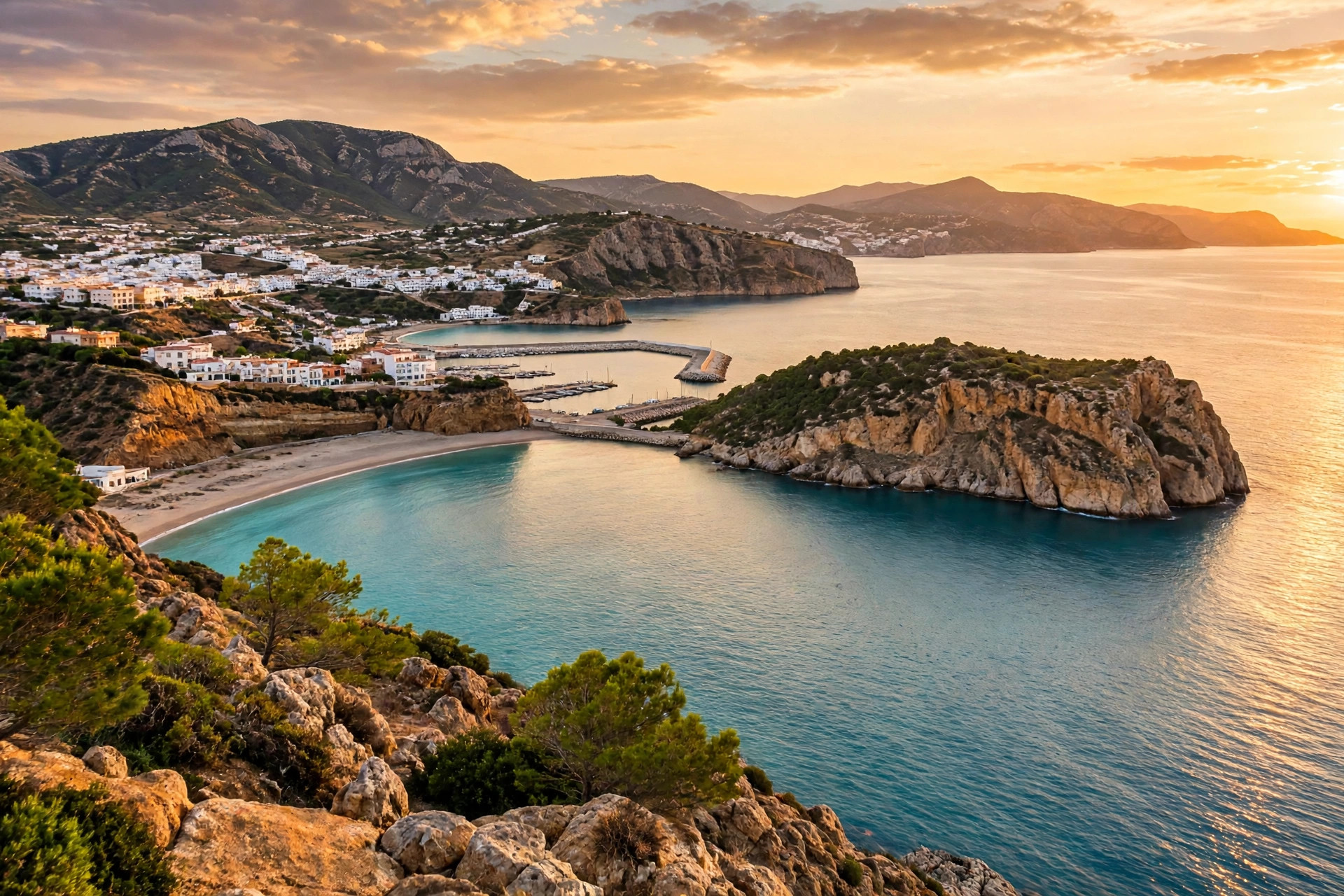
Al Hoceima is a fishing port and beach town on Morocco’s northern Mediterranean coast, in the Rif region. The 2024 census counted 50,225 people, down from 56,716 in 2014 — a town that is shrinking slightly, not growing. Summers are busy with returning families and beach visitors; winters are quiet, mild and very local.
It is the cheapest of the three towns, and the cost of living in Morocco small towns rarely gets lower than here. A one-bedroom outside the centre can run 1,200–2,000 MAD a month ($120–$200), and the daily fish market keeps food costs down. The trade-off is isolation: there is no train station, and the nearest railhead is Nador, about 150 km away by road.
The town has its own airport, Cherif Al Idrissi (AHU), about 9 km from the centre, with domestic flights and a few European routes. Buses link Al Hoceima to Nador in about three hours, from around 66 MAD. Life here suits people who want the sea, low costs and a slow pace. Our full guide to living in Al Hoceima as an expat covers neighbourhoods and daily life. See also the Al Hoceima article on Wikipedia.
Ifrane: The Mountain Town with a Winter Heating Bill
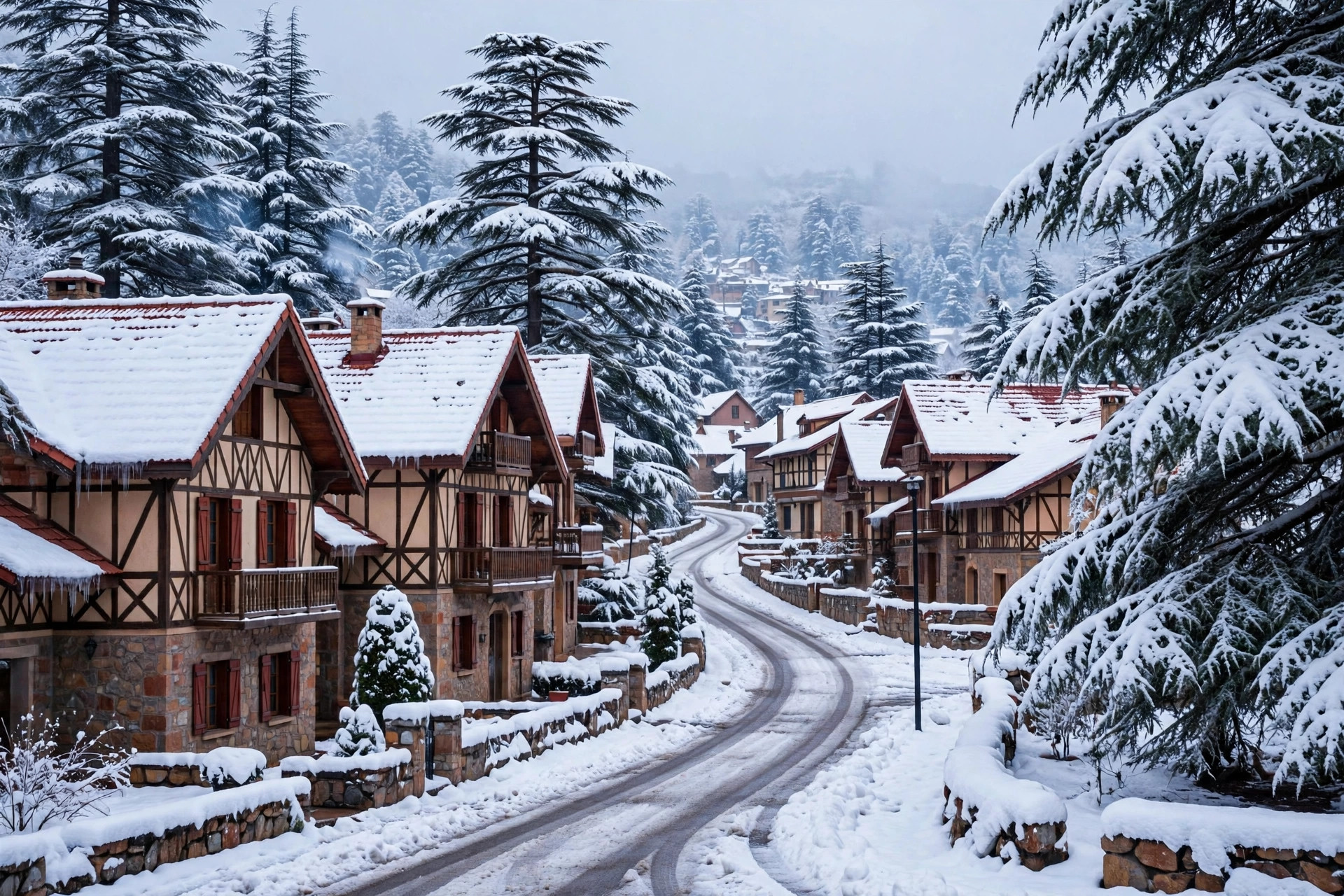
Ifrane is the smallest of the three towns, with 13,964 people in the 2024 census, and the cost of living in Morocco small towns takes its strangest shape here. The town sits at about 1,650 metres in the Middle Atlas, roughly 65–70 km from Fez — a little over an hour by road. It was built in 1929 as a hill station, and its red roofs, chalets and cedar forests still earn it the nickname “Little Switzerland”.
Winters are genuinely cold, with snow from December to February and nights often below freezing — so budget for higher heating bills, and check how a flat is heated before you sign. Summers are the reward: cool, green and calm while the plains below swelter.
Ifrane is also a university town. Al Akhawayn University, an English-language university that opened in 1995, gives the town a young, international feel that no other town of this size in Morocco has. The Michlifen ski area sits about 18 km away. Rents are moderate, but the rental market is small and seasonal, so treat every figure for Ifrane as a range to verify on arrival.
Essaouira: The Windy Atlantic Town Expats Love Most
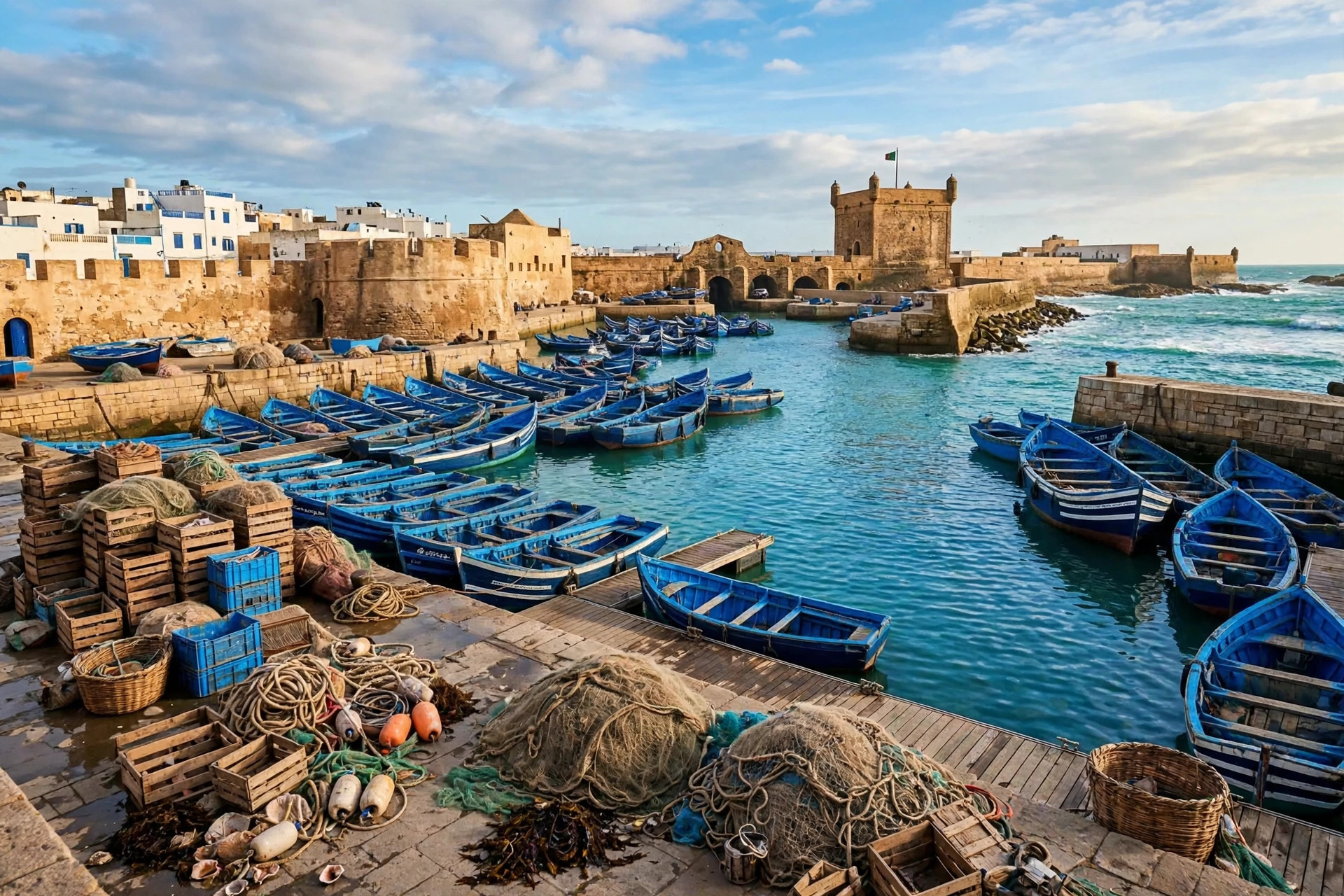
Essaouira is the biggest of the three, with 82,962 people in the 2024 census, and the cost of living in Morocco small towns is highest here — though still well below Marrakech. Its medina has been a UNESCO World Heritage site since 2001, and the town has the largest and most settled foreign community of the three.
The climate is the main draw: daytime highs of roughly 18–23°C in every month of the year. The price is the wind — the trade wind blows strongly on about 186 days a year, hardest from March to August, and it shapes daily life, from laundry to beach plans.
Essaouira sits about 175–185 km west of Marrakech, roughly two and a half to three hours by road or bus. Its own airport, Essaouira-Mogador (ESU), is about 15–18 km from the medina, with direct flights from a few European cities. Rents run higher than in the other two towns, especially near the medina and the beach, but the town repays it with cafes, galleries, music and an expat network that makes settling in far easier. See our guide to living in Essaouira as an expat and the Essaouira article on Wikipedia.
Rents and the Cost of Living in Morocco Small Towns
Rent is where the cost of living in Morocco small towns diverges most from the big cities — and where the three towns diverge from each other. Furnished flats typically add 20–40% to the figures below.
| Apartment | Al Hoceima (MAD/month) | Ifrane (MAD/month) | Essaouira (MAD/month) |
|---|---|---|---|
| 1-bedroom, city centre | 2,200–3,200 ($220–$320) | 2,500–3,500 ($250–$350) | 3,500–4,000 ($350–$400) |
| 1-bedroom, outside centre | 1,200–2,000 ($120–$200) | 1,800–2,800 ($180–$280) | 2,500–4,000 ($250–$400) |
| 2-bedroom, city centre | 3,000–4,500 ($300–$450) | 3,500–5,000 ($350–$500) | 5,000–7,000 ($500–$700) |
| 2-bedroom, outside centre | 2,000–3,500 ($200–$350) | 2,800–4,200 ($280–$420) | 4,000–6,000 ($400–$600) |
Indicative asking rents, November 2026. Verify on arrival — listings are thin in Al Hoceima and Ifrane, and no reliable published rent survey exists for Ifrane.
A few practical points apply in all three towns. Deposits are usually one or two months’ rent, and agency fees run to about one month’s rent. Get the contract in writing, and ask whether rent includes water and electricity — usually it does not. In Ifrane, ask how the flat is heated and what a winter bill looks like. In Essaouira, check for damp and wind exposure in medina flats. Our guide to renting an apartment in Morocco walks through leases, deposits and the checks to make before paying.
Monthly Budgets: The Cost of Living in Morocco Small Towns in Numbers
Add it up and the cost of living in Morocco small towns stays well below big-city Morocco. A single person in Al Hoceima can live decently on 5,500–8,000 MAD a month ($550–$800), in Ifrane on 6,000–9,000 MAD ($600–$900), and in Essaouira on 6,500–9,500 MAD ($650–$950). These are comfortable budgets, not survival budgets: a flat of your own, market food, some eating out and a social life.
For a couple, the cost of living in Morocco small towns rises by roughly 3,500–6,000 MAD a month over a single person’s budget — mostly a bigger flat and more food. The table below shows the shape of a month in each town for one person.
| Monthly item (single person) | Al Hoceima (MAD) | Ifrane (MAD) | Essaouira (MAD) |
|---|---|---|---|
| Rent, 1-bedroom | 1,200–3,200 ($120–$320) | 1,800–3,500 ($180–$350) | 2,500–4,000 ($250–$400) |
| Groceries and household | 1,500–2,200 ($150–$220) | 1,600–2,400 ($160–$240) | 1,800–2,500 ($180–$250) |
| Utilities and heating | 300–600 ($30–$60) | 500–1,200 ($50–$120) | 300–700 ($30–$70) |
| Internet and mobile | 300–450 ($30–$45) | 300–450 ($30–$45) | 300–450 ($30–$45) |
| Transport | 300–600 ($30–$60) | 300–600 ($30–$60) | 200–500 ($20–$50) |
| Eating out and cafes | 500–900 ($50–$90) | 500–900 ($50–$90) | 700–1,200 ($70–$120) |
| Health and miscellaneous | 600–1,000 ($60–$100) | 600–1,000 ($60–$100) | 600–1,000 ($60–$100) |
| Total, single person | 5,500–8,000 ($550–$800) | 6,000–9,000 ($600–$900) | 6,500–9,500 ($650–$950) |
| Total, couple | 9,000–13,000 ($900–$1,300) | 10,000–14,500 ($1,000–$1,450) | 11,000–15,500 ($1,100–$1,550) |
November 2026 estimates. Verify on arrival. Ifrane’s utilities range is wide because winter heating varies greatly by flat.
Retirees will notice these totals sit well below the budgets in our guide to the cost of retiring in Morocco — small towns are where a modest pension stretches furthest. The main risk is the surprise: a heating bill in Ifrane, a car repair in Al Hoceima, a summer rent rise in Essaouira.
Food and Groceries: The Cost of Living in Morocco Small Towns Day to Day
Food is the most predictable part of the cost of living in Morocco small towns. A weekly shop for one person at the souk and the neighbourhood hanout runs about 350–550 MAD ($35–$55), and for a couple about 700–1,000 MAD ($70–$100). Bread costs a few dirhams, seasonal vegetables are cheap, and the fish is best where the boats land.
Al Hoceima and Essaouira both have working fishing ports, so fresh fish is a daily staple and often cheaper than meat: grilled sardines at the Al Hoceima port run 20–40 MAD, and the Essaouira port grills cook the morning catch for roughly 50–100 MAD a plate. Ifrane has no port, so fish arrives by truck and costs more.
Supermarkets exist in all three towns, but the range is narrower than in a big city and imported goods carry a premium. Eating out stays cheap: a bowl of harira for 10–15 MAD, a tajine for 40–70 MAD, and a coffee for 8–15 MAD. Essaouira’s tourist-facing cafes charge more, especially around the medina, but a ten-minute walk usually halves the bill.
Getting Around: Buses, Taxis and No Trains in Al Hoceima
Transport is the hidden variable in the cost of living in Morocco small towns. None of the three has a tram or a metro, and only Essaouira and Ifrane sit within easy reach of a train — via Marrakech and Fez respectively. Al Hoceima has no train station at all, and the nearest railhead is Nador, about 150 km away.
Daily life in all three towns is walkable. Petit taxis cover short trips for roughly 7–15 MAD, and grand taxis link the towns to nearby villages and cities. Intercity buses are the workhorse: Al Hoceima to Nador takes about three hours from around 66 MAD, Ifrane to Fez about an hour and a quarter, and Essaouira to Marrakech about three hours for roughly 80–120 MAD.
A car is close to a necessity in Al Hoceima, useful in Ifrane in winter when mountain roads can be icy, and unnecessary in Essaouira, where the medina is compact and walkable. Budget 1,000–2,000 MAD a month for fuel and upkeep if you run one.
Utilities, Internet and Working from a Small Town
Utilities are the quiet surprise in the cost of living in Morocco small towns. Water and electricity for a one-bedroom flat usually run 300–700 MAD a month ($30–$70), but Ifrane breaks the pattern in winter, when heating can push the bill to 1,200 MAD or more. Ask the landlord for a recent winter bill before you sign, and prefer a flat with good insulation and sun.
Fibre internet is available in the centres of all three towns, typically 200–400 MAD a month, with mobile plans adding 50–100 MAD. Speeds are usually fine for video calls, but test the connection in the actual flat before signing — coverage varies street by street, and older buildings may still be on ADSL.
Remote workers do best in Essaouira, with its cafes and coworking-friendly atmosphere. Ifrane suits quiet writing and university-linked work. Al Hoceima works too, as long as your flat has fibre.
Healthcare: What Is Local and What Means a Trip
Healthcare rarely decides the cost of living in Morocco small towns, but it decides whether the low cost is worth it. Each town has a public hospital or health centre, private clinics and pharmacies for everyday care — consultations, prescriptions, minor injuries and maternity care are all available locally.
Serious or specialist care is a different matter. From Al Hoceima, complex treatment usually means a trip to Nador or Tetouan. From Ifrane, it means Fez, about an hour away. From Essaouira, it means Marrakech, about two and a half to three hours away. English-speaking doctors are easier to find in the big cities, so many residents register with a GP in Fez or Marrakech and use local clinics for the routine.
Budget 600–1,000 MAD a month for health costs, pharmacy and an insurance share, and keep proper travel or health insurance — a single emergency transfer can cost more than a month’s rent. Our guide to healthcare in Morocco for expats covers insurance and what to do in an emergency.
Who Each Town Suits — and Who Should Skip It
Matching yourself to a town matters more than the cost of living in Morocco small towns on paper. The cheapest town is a bad choice if it makes you miserable, and the priciest is a bargain if it is where your life actually happens.
- Al Hoceima suits beach lovers, slow-living retirees and anyone whose budget is the deciding factor. Skip it if you need frequent flights, trains or specialist healthcare — the isolation is real.
- Ifrane suits people who love cold weather and quiet, university staff and students, and remote workers who want clean air and low summer temperatures. Skip it if you hate winter, or if heating bills and icy roads would wear you down.
- Essaouira suits artists, remote workers, musicians and first-time expats who want community from day one. Skip it if the wind drives you mad, or if you want the lowest possible rent — you will pay a premium for the scene.
If you are still choosing between big and small, our guide to the best places to live in Morocco compares these towns with the major cities on the same terms.
Frequently Asked Questions
Which of the three towns is the cheapest?
Al Hoceima is the cheapest, with the cost of living in Morocco small towns at its lowest there. A single person can live decently on roughly 5,500–8,000 MAD a month ($550–$800), against 6,500–9,500 MAD ($650–$950) in Essaouira. The saving comes mostly from rent.
Can I live in one of these towns without a car?
Yes, in Essaouira and Ifrane, and with more effort in Al Hoceima. All three are walkable, with petit taxis for short trips and buses or grand taxis for longer ones. A car helps most in Al Hoceima, where the airport and beaches are spread out.
Is Ifrane too cold in winter?
It depends on you. Snow falls from December to February, nights often drop below freezing, and heating bills rise sharply. If you like winter and your flat is well insulated, it is a pleasure. If you dislike cold, or your flat heats badly, the season will feel very long.
How much money do I need per month as a single person?
As a single person, the cost of living in Morocco small towns runs about 5,500–9,500 MAD a month ($550–$950) including rent, depending on the town and your lifestyle. Couples should budget roughly 9,000–15,500 MAD ($900–$1,550). Always verify on arrival, and keep a buffer for the first month.
Is Essaouira worth the higher rent?
For most newcomers, yes. The rent premium buys the largest expat community of the three towns, the mildest climate, cafes and culture, and the easiest landing. If your budget is tight and you are comfortable in a quieter, more local setting, Al Hoceima gives you the same sea for less.
Do I need French or Arabic in these towns?
Yes, at least basic French or Moroccan Arabic. English works in Essaouira’s tourist areas and around the university in Ifrane, but daily life — landlords, markets, clinics, officials — runs in French and Arabic. A few months of study before you arrive pays for itself many times over.
Conclusion: Is the Cost of Living in Morocco Small Towns Right for You?
The cost of living in Morocco small towns is not one number but three different bargains: the lowest costs and the most isolation in Al Hoceima, cool summers and a winter heating bill in Ifrane, and community and mild weather at the highest rents in Essaouira.
Choose by the life you want, not just the price. If the cost of living in Morocco small towns is what drew you here, visit your chosen town for a week first — in winter for Ifrane, in August for Al Hoceima, in the windy season for Essaouira — and price a real flat before you commit. The cheapest town is only a bargain if you are happy living there.