
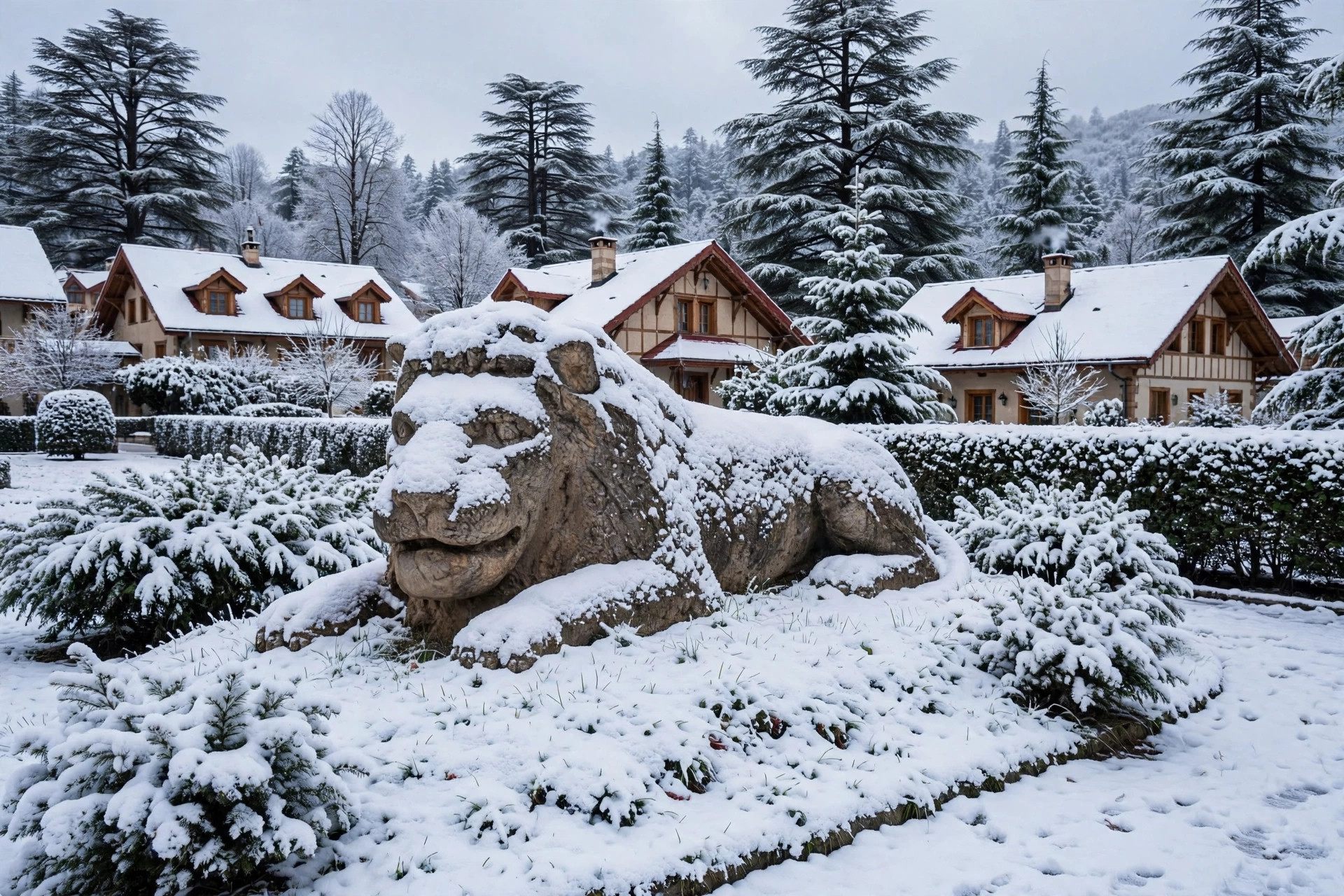
Living in Ifrane is Morocco's most surprising move: a town of 13,964 people (2024 census) at 1,665 metres in the Middle Atlas, where red-roofed chalets, cedar forests and winter snow replace the Morocco most people imagine. For expats who want clean mountain air, an English-speaking university town and low rents, living in Ifrane deserves a look.
This guide covers the neighbourhoods, rents and routines of a move to Ifrane, with prices checked in November 2026. It sits in our Living in Morocco section, alongside our guides to Fez and Meknes.
In short, living in Ifrane means four real seasons, a small walkable town and a campus that keeps the place young and international all year.
In this guide
- Ifrane at a Glance
- Best Neighbourhoods for Living in Ifrane
- Rents and Housing in Ifrane: What You Pay in 2026
- Monthly Cost of Living in Ifrane
- Weather and Seasons: Snow, Sun and Four Real Seasons
- Getting Around While Living in Ifrane
- Working in Ifrane: Remote Work, the University and Local Jobs
- Daily Life in Ifrane: Food, Cafés, Markets and the Great Outdoors
- Healthcare and Schools in Ifrane
- The Downsides of Living in Ifrane
- Moving to Ifrane: Your First Steps
- Frequently Asked Questions
- Conclusion: Is Ifrane Right for You?
Ifrane at a Glance
Living in Ifrane feels small and orderly. Laid out in 1929 as a French hill station, it has a grid of tree-lined avenues, parks and chalets with steep pitched roofs built for snow, rather than a maze-like medina. It is the provincial capital and a college town.
Ifrane is often called Morocco's "Little Switzerland": the town sits among Atlas cedars, and the stone lion in the central gardens is the town's most photographed sight. When Al Akhawayn University opened in 1995, the town gained several thousand students and English on the street.
| Fact | Detail |
|---|---|
| Population (town, 2024 census) | 13,964 |
| Population (2014 census) | 14,659 |
| Population (Ifrane Province, 2024) | 160,904 |
| Elevation | 1,665 m (5,463 ft) |
| Region | Fès-Meknès |
| Founded | 1929, as a French hill station |
| Nickname | "Little Switzerland" |
| University | Al Akhawayn University, opened 1995 |
| University students | Around 3,750 |
| Languages heard | Arabic, Tamazight, French, English |
| Nearest airport | Fez-Saïss (FEZ), about 65 km |
| Nearest train station | Fez, about 65 km |
| Distance to Fez | About 65 km, 1 hour 15 minutes |
| Distance to Meknes | About 60–70 km, about 1 hour |
| Distance to Azrou | About 17 km, 20 minutes |
| Ski resort | Michlifen, about 17–20 km |
| Snow season | December to March |
| Record low temperature | −23 °C, February 1935 |
| Annual rainfall | Around 1,000 mm |
| One-bedroom rent | 1,800–2,800 MAD ($180–$280) |
| Single monthly budget | 6,000–9,250 MAD ($600–$925) |
Best Neighbourhoods for Living in Ifrane
Most expats start in the town centre. It holds the municipal gardens, the stone lion, the cafés, the daily market and the CTM bus office. Expect the top of the rent range, and noise on snowy weekends when families drive up from Fez and Meknes.
The streets around Al Akhawayn University, on the eastern side of town, suit a quieter version of living in Ifrane. Lecturers and staff settle here, and the area feels green and almost suburban. The trade-off is distance: fewer restaurants and shops nearby, so a car or a petit taxi helps in winter.
South of the centre stand chalets and detached houses with gardens and fireplaces. They suit families best, and a three-bedroom chalet still costs less than a small flat in Casablanca. Budget hunters should also look at Azrou, 17 kilometres away, where rents are lower and a grand taxi takes 20 minutes.
Rents and Housing in Ifrane: What You Pay in 2026
Rents are the main reason living in Ifrane is affordable. Cost data for November 2026 puts a one-bedroom flat in the centre at around 2,800 MAD a month, about $280, and the same flat outside the centre at around 1,800 MAD, about $180. Those figures sit well below Fez and far below Casablanca.
Most rentals are found through word of mouth, Facebook groups and university noticeboards, so ask around as soon as you arrive. Landlords usually ask for one month's rent as a deposit and one month in advance. A written contract matters: you will need it for your residence permit. Our guide to renting an apartment in Morocco explains the contract and deposit rules in full.
Furnished flats are common near the university; unfurnished flats are cheaper and more common in the older blocks near the centre. If you arrive in autumn, book early: the academic year and the first snow both tighten supply. Many flats heat with gas or electric heaters, and a cold January can add 400–700 MAD to your bills.
| Housing type | Monthly rent (MAD) | Monthly rent (USD) |
|---|---|---|
| Studio flat, outside centre | 1,500–2,200 | $150–$220 |
| One-bedroom, town centre | 2,800 | $280 |
| One-bedroom, outside centre | 1,800 | $180 |
| Two-bedroom, town centre | 3,500–4,500 | $350–$450 |
| Two-bedroom, outside centre | 2,500–3,500 | $250–$350 |
| Three-bedroom, town centre | 4,700 | $470 |
| Three-bedroom, outside centre | 2,700 | $270 |
| Detached chalet with garden | 5,000–8,000 | $500–$800 |
Monthly Cost of Living in Ifrane
A single person can live well in Ifrane on 6,000–9,250 MAD a month, about $600–$925, including rent. That range comes from cost of living in Morocco data for November 2026, which puts a single person's total at roughly $773 a month. A couple should plan on 9,500–13,000 MAD, and a family of three on roughly 13,000–18,000 MAD.
The monthly cost of living in Ifrane is shaped by the seasons. Winter adds heating, warm clothes and the occasional ski trip to Michlifen, while summer is cheaper: no heating, free hiking in the cedar forest, and long evenings in the parks. Groceries run about 1,800–2,200 MAD a month for one person cooking at home. Eating out is cheap: breakfast runs 20–30 MAD, lunch 40–80 MAD, and dinner for two rarely passes 250 MAD.
| Monthly expense (one person) | Cost (MAD) | Cost (USD) |
|---|---|---|
| Rent (one-bedroom) | 1,800–2,800 | $180–$280 |
| Utilities and heating | 450–700 | $45–$70 |
| Groceries and market | 1,800–2,200 | $180–$220 |
| Eating out and cafés | 400–700 | $40–$70 |
| Transport (taxis and buses) | 300–600 | $30–$60 |
| Internet and mobile | 250–350 | $25–$35 |
| Leisure, gym and skiing | 300–600 | $30–$60 |
| Health insurance | 400–800 | $40–$80 |
| Clothing and household | 300–500 | $30–$50 |
| Total | 6,000–9,250 | $600–$925 |
Weather and Seasons: Snow, Sun and Four Real Seasons
Ifrane has the most continental climate of any Moroccan town, and the weather is the first thing newcomers notice about living in Ifrane. Winter is genuinely cold: January days average around 8–10 °C, nights fall below freezing, and snow falls from December to March, with 25–35 snow days in a typical winter. The town once recorded −23 °C in February 1935, the coldest temperature ever documented in Africa, and a January night at −5 °C is normal.
Spring is the town's prettiest season: the snow melts, the cedar forest turns green, and daytime temperatures climb into the high teens. Rain is common in spring and autumn: Ifrane receives around 1,000 mm a year.
Summer is the reason the French built the town: days reach 25–29 °C, but nights drop to 14 °C, so you sleep well without air conditioning. Dress for a mountain town, not for Morocco as you imagine it, and plan around the seasons: skiing and firesides in winter, lakes and forest walks the rest of the year.
Getting Around While Living in Ifrane
There is no train station in Ifrane. The nearest trains leave from Fez, about 65 kilometres away, so rail trips start with a bus or a grand taxi to Fez. What the town does have is a small, walkable centre: most errands are a ten-minute walk, and that is one of the quiet pleasures of living in Ifrane.
Petit taxis cover the town for 7–15 MAD a trip, although the fleet is small, so waits can reach 15 minutes in quiet hours. Grand taxis run to Azrou for 15–20 MAD a seat, and to Fez and Meknes for roughly 50–80 MAD a seat, taking about an hour and a quarter. They leave when full: quick in the morning, slower in the evening.
CTM buses connect Ifrane with Fez and Meknes twice daily, with a Fez ticket costing roughly 35–50 MAD and taking about an hour and a half. Many residents eventually buy a car for the forest, the lakes and the ski resort. Fez-Saïss Airport is about 65 kilometres away, so allow two hours door to door for a flight.
| Route or service | Cost | Time |
|---|---|---|
| Petit taxi in town | 7–15 MAD ($1–$2) | 5–10 minutes |
| Grand taxi, Ifrane–Azrou | 15–20 MAD ($2) per seat | About 20 minutes |
| Grand taxi, Ifrane–Fez | 50–80 MAD ($5–$8) per seat | About 1 hour 15 minutes |
| Grand taxi, Ifrane–Meknes | 50–80 MAD ($5–$8) per seat | About 1 hour |
| CTM bus, Ifrane–Fez | 35–50 MAD ($4–$5) | About 1 hour 30 minutes |
| CTM bus, Ifrane–Meknes | 30–40 MAD ($3–$4) | About 1 hour |
| Bus, Ifrane–Azrou | 15–25 MAD ($2–$3) | About 30 minutes |
| Grand taxi return to Michlifen | 150–250 MAD ($15–$25) | About 30 minutes each way |
| Taxi to Fez-Saïss Airport | 300–450 MAD ($30–$45) | About 1 hour 15 minutes |
Working in Ifrane: Remote Work, the University and Local Jobs
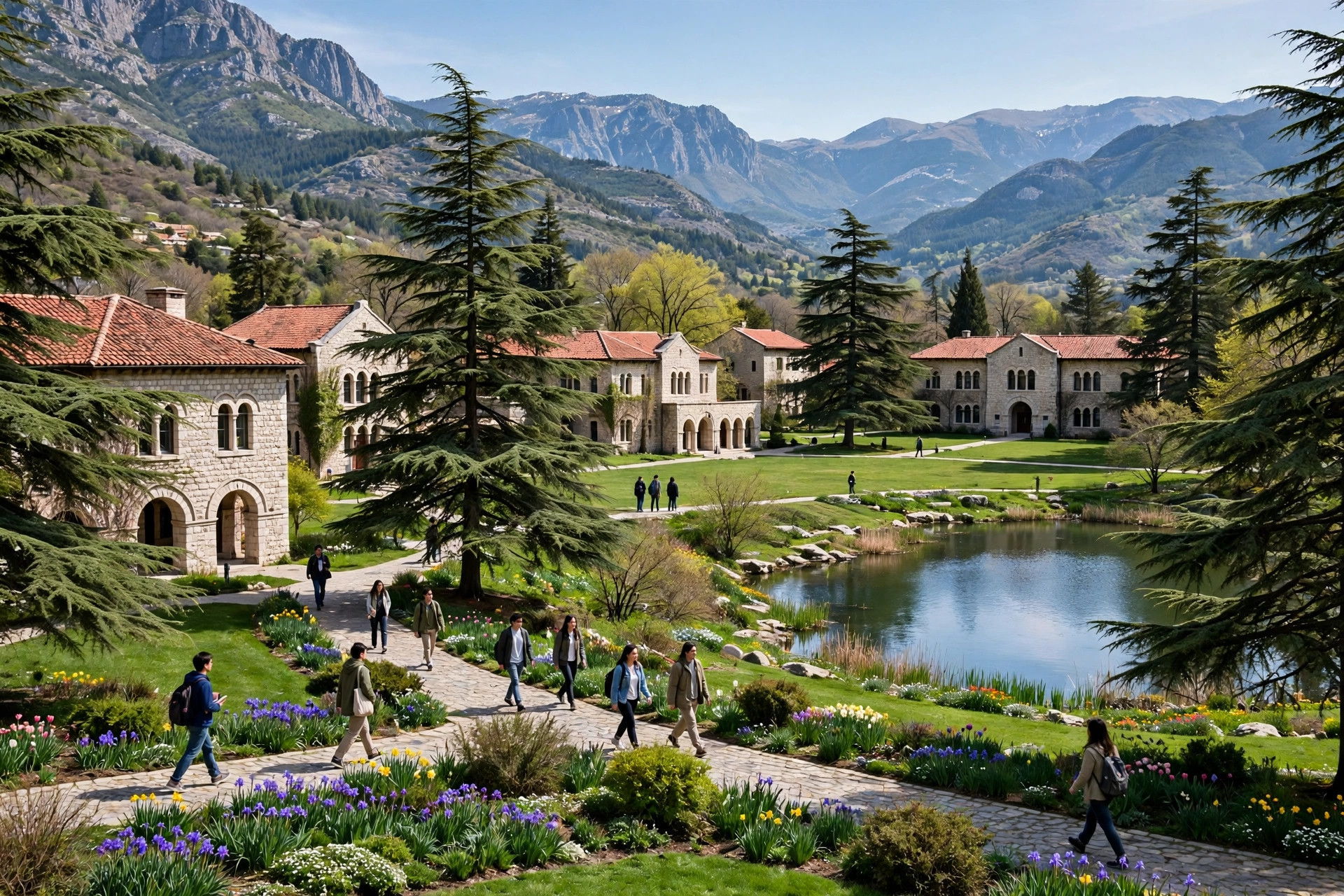
The university is the town's economic engine, and it explains why living in Ifrane works for so many foreigners. Al Akhawayn University was founded by royal decree in 1993 and opened to students in January 1995, where teaching is entirely in English and follows the American liberal arts model. It now has around 3,750 students and American accreditation. For expats, that means teaching jobs, research posts and English heard in the cafés as a matter of course.
Remote work is the other natural fit for living in Ifrane. Fibre internet is available in most of the town, with home packages from 200 MAD a month, and mobile data is cheap and reliable. The town is quiet, the air is clean and the cost of living is low. Bring a backup: winter storms occasionally cut power or internet, so keep a charged laptop and a mobile hotspot.
Local jobs outside the university are limited. The town's other employers are the provincial administration, the hotels and restaurants, the ski resort in season, and the small businesses that serve residents and tourists. Salaries there are Moroccan salaries: cost data for November 2026 puts the average local take-home pay at about 3,000 MAD a month. If you need a local salary, Fez and Meknes are an hour away. The realistic plan for living in Ifrane is to arrive with remote income, a university post or a pension.
Daily Life in Ifrane: Food, Cafés, Markets and the Great Outdoors
Daily life in Ifrane is slower and greener than anywhere else in Morocco. Mornings start with a walk in the municipal gardens and a coffee along the main avenues, past the stone lion carved in 1930 and attributed to the French sculptor Henri Jean Moreau, the town's emblem.
Food is simple and good: the daily market sells vegetables, fruit, bread, olives and eggs at small-town prices, and restaurants serve tajine, couscous on Fridays, grilled meats and harira.
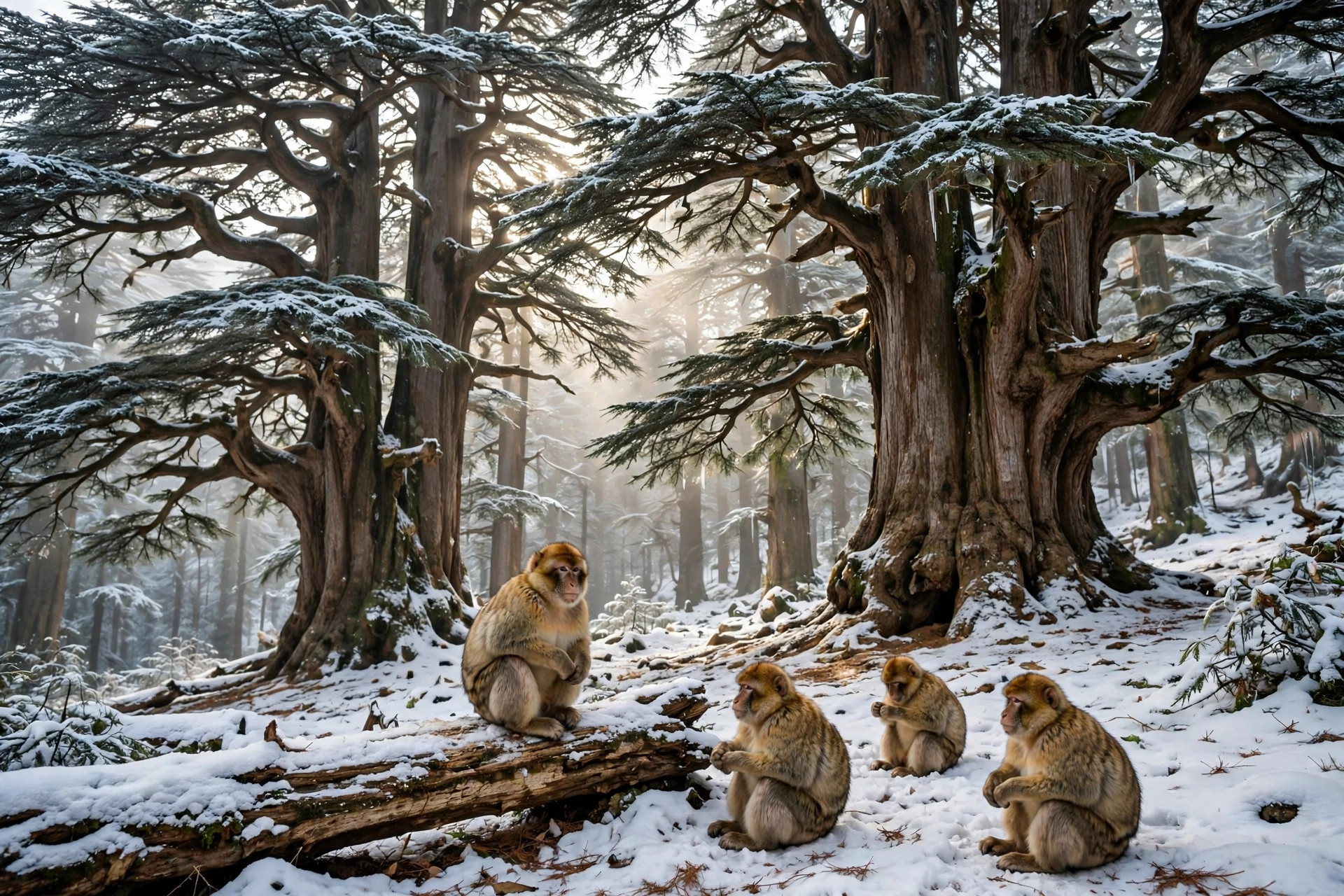
The outdoors is where Ifrane earns its keep, and it is one of the quiet pleasures of living in Ifrane. The cedar forest between Ifrane and Azrou shelters wild Barbary macaques among Atlas cedars that reach 40 metres and live for centuries. Ifrane National Park, created in 2004, protects the largest cedar forest in the world.
Dayet Aoua lake, 15 kilometres north, is a shallow mountain lake ringed by cedars, good for birdwatching and picnics when the water is up. In winter, Michlifen ski resort, 17–20 kilometres away at 2,000 metres, runs a chairlift and a T-bar from December to March. Ski on weekdays if you can: weekends bring crowds from Fez and Meknes.
Social life runs through the university, and outside the campus a little Arabic or French goes a long way. Learn a few greetings, shop at the same stalls each week, and accept the mint tea when it is offered.
Healthcare and Schools in Ifrane
Everyday healthcare in Ifrane is small-town but adequate: a public hospital, private clinics and pharmacies in the centre cover check-ups, minor injuries and prescriptions. For anything serious, the nearest large hospitals are in Fez, about an hour away, so hold health insurance that covers treatment there. Private health insurance typically costs 400–800 MAD a month.
The cold and the altitude take a few weeks to adjust to, and anyone with a serious heart or breathing condition should talk to a doctor first.
Schools are one of Ifrane's genuine strengths, and a big reason families choose living in Ifrane. Al Akhawayn School of Ifrane, founded in 1995, is a private American-curriculum school teaching in English from early years to Grade 12. Published fees for 2025/26 run 60,000 MAD a year for kindergarten to Grade 5, 71,000 MAD for Grades 6–8 and 82,000 MAD for Grades 9–12, plus a 10,000 MAD annual capital fee and a 2,500 MAD application fee. Public schools teach in Arabic and French and cost almost nothing.
The Downsides of Living in Ifrane
Living in Ifrane has real downsides. Winter is the biggest one: three months of cold, snow and short days, heating bills that surprise newcomers, and roads that can close after a heavy storm. If you dislike cold weather, this town will wear you down by February.
The second downside is size: about 14,000 residents means one small market, a handful of restaurants, no cinema, no big shopping centre and no nightlife. Anything specialist means a trip to Fez. People who need constant stimulation will get bored.
The third is the social limit: the university community turns over every semester, so friendships can be short-lived, and outside the campus daily life runs in Arabic, Tamazight and French, so English alone will only carry you so far. Ifrane suits remote workers, university staff, retirees who like mountain air, and families who want an English-language school and safe streets. Skip it if you need a big-city job market, a lively nightlife, or warm weather all year.
Moving to Ifrane: Your First Steps
Start with a scouting trip of a week, ideally in winter, so you see the town at its hardest. Walk the neighbourhoods and check the flats in person. The first rule of living in Ifrane is to visit in winter before you commit, because January tells the truth about the town.
Most nationalities enter Morocco visa-free for up to 90 days; a longer stay means applying for a residence permit, the carte de séjour, at the local police station. Our carte de séjour renewal guide explains the documents. Bring your passport, a rental contract, proof of income and health insurance, and allow several weeks.
Before you move, sort the practical list: a winter coat and boots, a car or a plan for transport, a Moroccan bank account, a local SIM card, and health insurance that covers Fez. For the bigger picture, our best places to live in Morocco guide compares Ifrane with Beni Mellal, Larache and Kenitra, and our cost of living in Morocco guide sets the national context.
Frequently Asked Questions
Is living in Ifrane expensive?
No. A single person lives well on 6,000–9,250 MAD ($600–$925) a month, including rent, per November 2026 data. Winter heating adds 400–700 MAD a month, but groceries, transport and eating out are all cheap by Moroccan city standards.
Does it snow a lot in Ifrane?
Yes. Snow falls from December to March, with 25–35 snow days in a typical winter, and January is the snowiest month. The Michlifen ski resort 17–20 kilometres away runs from December to March.
Is living in Ifrane good for families?
Yes, for the right family. The town is safe, quiet and walkable, and Al Akhawayn School of Ifrane teaches in English from early years to Grade 12. The trade-off is size: older teenagers may find the social scene limited.
Can I work remotely from Ifrane?
Yes. Fibre internet is available in most of the town, mobile data is cheap, and the quiet, low cost of living suits remote work. Keep a mobile hotspot as a backup for winter storms.
Do I need a car in Ifrane?
Not for daily life: the centre is walkable and petit taxis cost 7–15 MAD a trip. A car becomes useful for the cedar forest, the lakes, the ski resort and trips to Fez, so many long-term residents eventually buy a small used car.
How cold does Ifrane get in winter?
January days average 8–10 °C and nights fall below freezing. The town once recorded −23 °C in February 1935, the coldest temperature ever documented in Africa.
Conclusion: Is Ifrane Right for You?
Ifrane is the odd one out in Morocco, and that is exactly its appeal: snow on red roofs, cedar forests full of macaques and a university that keeps the town young and English-speaking. No other Moroccan town offers that combination at these prices. If you can handle three cold months a year and a small-town pace, living in Ifrane gives you clean air, low costs and a daily life far from the lowland cities.
The honest test is a winter. Rent a flat for January and ski at Michlifen. If you still love it in February, living in Ifrane is probably your town.
1 thought on “Living in Ifrane: Expat Life in Morocco’s Alpine University Town”